Buy rehazentrum.eu ?
We are moving the project
rehazentrum.eu .
Are you interested in purchasing the domain
rehazentrum.eu ?
domain@kv-gmbh.de · 0541-91531010
Buy rehazentrum.eu ?
How is the partitive formed?
The partitive is formed in French by using the preposition "de" followed by the definite article "le," "la," or "les." This combination contracts to form "du," "de la," or "des" before a singular or plural noun, respectively. For example, "some bread" is "du pain" and "some apples" is "des pommes." The partitive is used to indicate an unspecified quantity or portion of a mass noun. **
What is the French partitive article?
The French partitive article is used to indicate an unspecified quantity of a noun that cannot be counted. It is formed by combining the preposition "de" with the definite article corresponding to the noun's gender and number. For example, "du" is used with masculine singular nouns, "de la" with feminine singular nouns, and "des" with plural nouns. The partitive article is used in French to express concepts like some, any, or a part of something. **
Similar search terms for Partitive
Top-Angebote
Products related to Partitive:
-
Youfap Market Portable Respiratory Trainer For Physical Therapy Rehabilitation Exercises, Sports Exercise Equipment whiteSupport Stronger Breathing and Everyday Wellness Designed for women who want to stay active and confident, this portable respiratory trainer helps improve breathing strength through guided physical therapy rehabilitation exercises. It supports daily...49,97 $*Shipping: 0,00 $Secure redirect to the provider
-
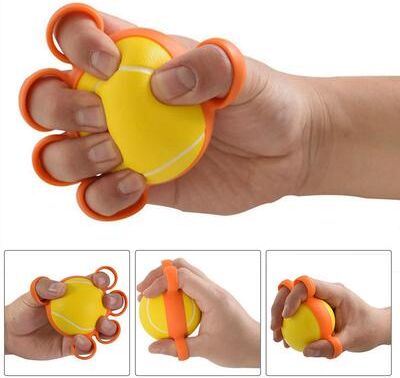
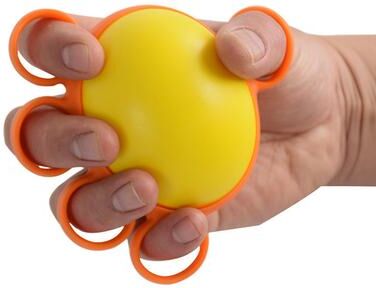
Inspire Daily Merch Finger Exercise Grip Strength Trainer For Arthritis Hand Therapy Ball Stress Relief Muscle Recovery Rehabilitation Finger Exercise Grip Strength Trainer For Arthritis Hand Therapy Ball Stress Relief Muscle Recovery RehabilitationEnhance Finger Strength and Mobility with the Hand Therapy Ball The Hand Therapy Ball is an essential tool designed to improve finger strength, hand flexibility, and rehabilitation. Whether you're recovering from an injury, managing arthritis, or...31,97 $*Shipping: 0,00 $Secure redirect to the provider
-
Healfit Counter Respirator Fitness Equipment, Breathing Trainer Mouthpiece, Lung Exercise Tool For Household Health Care Respirator Fitness Equipment, Breathing Trainer Mouthpiece, Lung Exercise Tool For Household Health CareEnhance your fitness and stamina with the Breathing Trainer Exercise Lung Face Mouthpiece Respirator Fitness Equipmentyour compact solution for improving lung performance and endurance. Designed for athletes, fitness enthusiasts, and anyone looking...27,97 $*Shipping: 0,00 $Secure redirect to the provider
-
Smart Shopping Spot Grip Strength Trainer Hand Grip Strengthener For Fitness, Forearm Exercise & Rehabilitation blueBuild stronger hands with a grip strength trainer designed to improve power, endurance, and confidence in every workout. Whether you're an athlete, musician, climber, or recovering from injury, this hand grip strengthener helps enhance grip...31,97 $*Shipping: 0,00 $Secure redirect to the provider



-
What is the rule for the partitive article?
The rule for the partitive article in French is to use "de" followed by the definite article (le, la, les) to indicate an unspecified quantity or some of a mass noun. For example, "du" is used for masculine singular nouns, "de la" for feminine singular nouns, and "des" for plural nouns. The partitive article is used when referring to an unknown or unspecified quantity of something. **
-
What are partitive articles in the French language?
Partitive articles in French are used to indicate an unspecified quantity of a noun. They are used when referring to a portion or some of a mass noun, such as food or liquid. The partitive articles in French are "du" (for masculine nouns), "de la" (for feminine nouns), and "de l'" (for nouns starting with a vowel or silent "h"). These articles are essential for expressing the concept of some or any in French. **
-
When do you use the partitive article in French?
The partitive article in French is used to indicate an unspecified quantity of a mass noun. It is used when referring to a part of a whole, or an unspecified amount of something. For example, "du" is used for masculine nouns, "de la" for feminine nouns, and "de l'" for nouns starting with a vowel or silent "h". It is important to use the partitive article when talking about food, drinks, or other uncountable nouns in French. **
-
How do you form the genitive partitive in Latin?
In Latin, the genitive partitive is formed by using the genitive case of the noun followed by the word "partis" or "partis" (depending on the gender of the noun) to indicate a part of the whole. For example, if the noun is "puella" (girl), the genitive partitive would be "puellae partis" to indicate "part of the girl." This construction is used to express the idea of "some of" or "a part of" something. **

What are partitive articles and quantity increases in French?
Partitive articles in French are used to indicate an unspecified quantity of a noun. They are used with uncountable nouns or when referring to a portion of something. Quantity increases in French involve using words like "plus de" (more), "beaucoup de" (a lot of), or "trop de" (too much) to indicate an increase in the quantity of something. These expressions are used to specify a larger amount of a noun compared to using just the partitive article. **
Can you please help me with the partitive article?
The partitive article is used in French to indicate an unspecified quantity of something. It is often used with uncountable nouns to express "some" or "any" in English. The partitive article changes depending on the gender and number of the noun it precedes. For example, "du" is used before masculine singular nouns, "de la" before feminine singular nouns, and "des" before plural nouns. It is important to use the correct partitive article to indicate the appropriate quantity in French. **
Top-Angebote
Products related to Partitive:
-
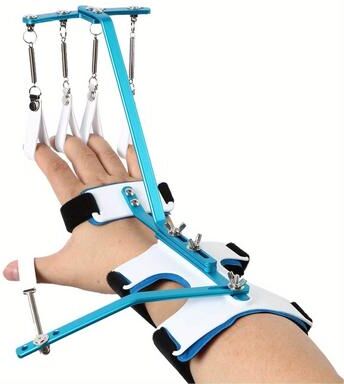
Handpicked Choices Adjustable Finger Strengthener And Hand Grip Trainer Wrist Exercise Support For Rehabilitation Fitness And Therapy Adjustable Finger Strengthener And Hand Grip Trainer Wrist Exercise Support For Rehabilitation Fitness And TherapyRegain control, confidence, and comfort with this powerful finger strength trainer designed to support everyday movement and recovery. Whether you are an athlete, musician, or simply dealing with hand fatigue, this compact hand grip exerciser helps...189,97 $*Shipping: 0,00 $Secure redirect to the provider
-
Lush Living Finds Finger Exercise Hand Therapy Ball, Grip Strength Trainer For Rehabilitation And Stress Relief Finger Exercise Hand Therapy Ball, Grip Strength Trainer For Rehabilitation And Stress ReliefStrengthen and Recover with Hand Therapy Ball Our Hand Therapy Ball is designed 1 pcs to help you regain strength and mobility in your hands and fingers. Perfect for finger exercise, it targets key muscles for rehabilitation and stress relief....34,97 $*Shipping: 0,00 $Secure redirect to the provider
-
Youfap Market Portable Respiratory Trainer For Physical Therapy Rehabilitation Exercises, Sports Exercise Equipment whiteSupport Stronger Breathing and Everyday Wellness Designed for women who want to stay active and confident, this portable respiratory trainer helps improve breathing strength through guided physical therapy rehabilitation exercises. It supports daily...49,97 $*Shipping: 0,00 $Secure redirect to the provider
-
Inspire Daily Merch Finger Exercise Grip Strength Trainer For Arthritis Hand Therapy Ball Stress Relief Muscle Recovery Rehabilitation Finger Exercise Grip Strength Trainer For Arthritis Hand Therapy Ball Stress Relief Muscle Recovery RehabilitationEnhance Finger Strength and Mobility with the Hand Therapy Ball The Hand Therapy Ball is an essential tool designed to improve finger strength, hand flexibility, and rehabilitation. Whether you're recovering from an injury, managing arthritis, or...31,97 $*Shipping: 0,00 $Secure redirect to the provider
-
How is the partitive formed?
The partitive is formed in French by using the preposition "de" followed by the definite article "le," "la," or "les." This combination contracts to form "du," "de la," or "des" before a singular or plural noun, respectively. For example, "some bread" is "du pain" and "some apples" is "des pommes." The partitive is used to indicate an unspecified quantity or portion of a mass noun. **
-
What is the French partitive article?
The French partitive article is used to indicate an unspecified quantity of a noun that cannot be counted. It is formed by combining the preposition "de" with the definite article corresponding to the noun's gender and number. For example, "du" is used with masculine singular nouns, "de la" with feminine singular nouns, and "des" with plural nouns. The partitive article is used in French to express concepts like some, any, or a part of something. **
-
What is the rule for the partitive article?
The rule for the partitive article in French is to use "de" followed by the definite article (le, la, les) to indicate an unspecified quantity or some of a mass noun. For example, "du" is used for masculine singular nouns, "de la" for feminine singular nouns, and "des" for plural nouns. The partitive article is used when referring to an unknown or unspecified quantity of something. **
-
What are partitive articles in the French language?
Partitive articles in French are used to indicate an unspecified quantity of a noun. They are used when referring to a portion or some of a mass noun, such as food or liquid. The partitive articles in French are "du" (for masculine nouns), "de la" (for feminine nouns), and "de l'" (for nouns starting with a vowel or silent "h"). These articles are essential for expressing the concept of some or any in French. **
Similar search terms for Partitive
-
Healfit Counter Respirator Fitness Equipment, Breathing Trainer Mouthpiece, Lung Exercise Tool For Household Health Care Respirator Fitness Equipment, Breathing Trainer Mouthpiece, Lung Exercise Tool For Household Health CareEnhance your fitness and stamina with the Breathing Trainer Exercise Lung Face Mouthpiece Respirator Fitness Equipmentyour compact solution for improving lung performance and endurance. Designed for athletes, fitness enthusiasts, and anyone looking...27,97 $*Shipping: 0,00 $Secure redirect to the provider
-
Smart Shopping Spot Grip Strength Trainer Hand Grip Strengthener For Fitness, Forearm Exercise & Rehabilitation blueBuild stronger hands with a grip strength trainer designed to improve power, endurance, and confidence in every workout. Whether you're an athlete, musician, climber, or recovering from injury, this hand grip strengthener helps enhance grip...31,97 $*Shipping: 0,00 $Secure redirect to the provider
-
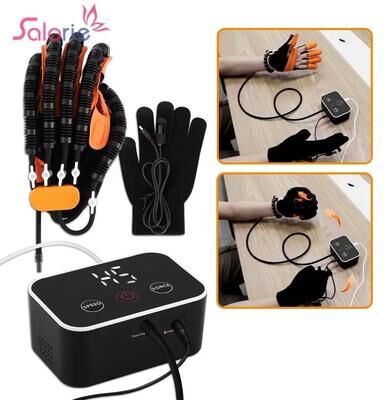
Inspired Finds Upgraded Rehabilitation Robot Gloves Stroke Recovery Hand Trainer For Hemiplegia, Finger Exercise & Therapy Support left SRegain independence and improve daily living with the rehabilitation robot gloves designed for people recovering from stroke, hemiplegia, or reduced hand mobility. These smart therapy gloves use advanced pneumatic technology to gently assist finger...135,99 $*Shipping: 0,00 $Secure redirect to the provider
-
Youfap Market Portable Respiratory Trainer For Physical Therapy Rehabilitation Exercises, Sports Exercise Equipment blackSupport Stronger Breathing and Everyday Wellness Designed for women who want to stay active and confident, this portable respiratory trainer helps improve breathing strength through guided physical therapy rehabilitation exercises. It supports daily...49,97 $*Shipping: 0,00 $Secure redirect to the provider
-
When do you use the partitive article in French?
The partitive article in French is used to indicate an unspecified quantity of a mass noun. It is used when referring to a part of a whole, or an unspecified amount of something. For example, "du" is used for masculine nouns, "de la" for feminine nouns, and "de l'" for nouns starting with a vowel or silent "h". It is important to use the partitive article when talking about food, drinks, or other uncountable nouns in French. **
-
How do you form the genitive partitive in Latin?
In Latin, the genitive partitive is formed by using the genitive case of the noun followed by the word "partis" or "partis" (depending on the gender of the noun) to indicate a part of the whole. For example, if the noun is "puella" (girl), the genitive partitive would be "puellae partis" to indicate "part of the girl." This construction is used to express the idea of "some of" or "a part of" something. **
-
What are partitive articles and quantity increases in French?
Partitive articles in French are used to indicate an unspecified quantity of a noun. They are used with uncountable nouns or when referring to a portion of something. Quantity increases in French involve using words like "plus de" (more), "beaucoup de" (a lot of), or "trop de" (too much) to indicate an increase in the quantity of something. These expressions are used to specify a larger amount of a noun compared to using just the partitive article. **
-
Can you please help me with the partitive article?
The partitive article is used in French to indicate an unspecified quantity of something. It is often used with uncountable nouns to express "some" or "any" in English. The partitive article changes depending on the gender and number of the noun it precedes. For example, "du" is used before masculine singular nouns, "de la" before feminine singular nouns, and "des" before plural nouns. It is important to use the correct partitive article to indicate the appropriate quantity in French. **
* All prices are inclusive of VAT and, if applicable, plus shipping costs. The offer information is based on the details provided by the respective shop and is updated through automated processes. Real-time updates do not occur, so deviations can occur in individual cases. ** Note: Parts of this content were created by AI.