Buy rehazentrum.eu ?
We are moving the project
rehazentrum.eu .
Are you interested in purchasing the domain
rehazentrum.eu ?
domain@kv-gmbh.de · 0541-91531010
Buy rehazentrum.eu ?
Can spasticity worsen?
Yes, spasticity can worsen over time if not properly managed. Factors such as lack of physical activity, poor posture, and not following a treatment plan can contribute to increased spasticity. It is important for individuals with spasticity to work closely with healthcare professionals to develop a comprehensive treatment plan that includes physical therapy, medication management, and lifestyle modifications to help prevent worsening of spasticity. Regular monitoring and adjustments to the treatment plan may be necessary to effectively manage spasticity and prevent it from worsening. **
Can spasticity go away?
Spasticity can vary in severity and may improve over time with proper treatment and therapy. However, in some cases, spasticity may not completely go away but can be managed effectively with medications, physical therapy, and other interventions. It is important to work with healthcare professionals to develop a personalized treatment plan to help manage spasticity and improve quality of life. **
Similar search terms for Spasticity
Top-Angebote
Products related to Spasticity:
-
Youfap Market Portable Respiratory Trainer For Physical Therapy Rehabilitation Exercises, Sports Exercise Equipment blackSupport Stronger Breathing and Everyday Wellness Designed for women who want to stay active and confident, this portable respiratory trainer helps improve breathing strength through guided physical therapy rehabilitation exercises. It supports daily...49,97 $*Shipping: 0,00 $Secure redirect to the provider
-
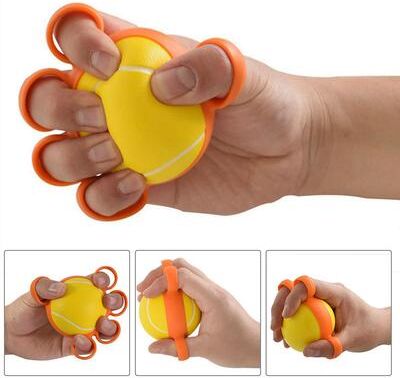
Inspire Daily Merch Finger Exercise Grip Strength Trainer For Arthritis Hand Therapy Ball Stress Relief Muscle Recovery Rehabilitation Finger Exercise Grip Strength Trainer For Arthritis Hand Therapy Ball Stress Relief Muscle Recovery RehabilitationEnhance Finger Strength and Mobility with the Hand Therapy Ball The Hand Therapy Ball is an essential tool designed to improve finger strength, hand flexibility, and rehabilitation. Whether you're recovering from an injury, managing arthritis, or...31,97 $*Shipping: 0,00 $Secure redirect to the provider
-
Healfit Counter Respirator Fitness Equipment, Breathing Trainer Mouthpiece, Lung Exercise Tool For Household Health Care Respirator Fitness Equipment, Breathing Trainer Mouthpiece, Lung Exercise Tool For Household Health CareEnhance your fitness and stamina with the Breathing Trainer Exercise Lung Face Mouthpiece Respirator Fitness Equipmentyour compact solution for improving lung performance and endurance. Designed for athletes, fitness enthusiasts, and anyone looking...27,97 $*Shipping: 0,00 $Secure redirect to the provider
-
Smart Shopping Spot Grip Strength Trainer Hand Grip Strengthener For Fitness, Forearm Exercise & Rehabilitation redBuild stronger hands with a grip strength trainer designed to improve power, endurance, and confidence in every workout. Whether you're an athlete, musician, climber, or recovering from injury, this hand grip strengthener helps enhance grip...31,97 $*Shipping: 0,00 $Secure redirect to the provider



-
What are the experiences with stem cell therapy for spasticity?
Stem cell therapy for spasticity has shown promising results in some studies and clinical trials. Patients with conditions such as cerebral palsy, multiple sclerosis, and spinal cord injury have reported improvements in muscle tone, mobility, and overall quality of life after receiving stem cell therapy. However, more research is needed to fully understand the long-term effects and potential risks of this treatment. Some patients may not experience significant improvements, and the therapy may not be suitable for everyone. Overall, while there is potential for stem cell therapy to effectively manage spasticity, more evidence is needed to determine its overall efficacy and safety. **
-
What traumas can cause spasticity?
Spasticity can be caused by a variety of traumas, including spinal cord injuries, traumatic brain injuries, stroke, multiple sclerosis, cerebral palsy, and other neurological conditions. These traumas can result in damage to the nerve pathways that control muscle movement, leading to increased muscle tone and involuntary muscle contractions. Treatment for spasticity often involves a combination of physical therapy, medication, and other interventions to help manage symptoms and improve quality of life. **
-
What does spasticity feel like?
Spasticity is a feeling of stiffness, tightness, or involuntary muscle contractions that can make movement difficult. It can also cause muscles to feel rigid or heavy, making it challenging to control movements. Individuals with spasticity may experience muscle spasms or jerky movements, which can be uncomfortable or painful. Overall, spasticity can significantly impact a person's ability to move freely and perform daily activities. **
-
What is spasticity in the legs?
Spasticity in the legs is a condition characterized by tightness, stiffness, and involuntary muscle contractions. It can make movement difficult and lead to muscle spasms or jerking motions. Spasticity is often caused by damage to the nerves that control muscle movement, such as in conditions like multiple sclerosis, cerebral palsy, or spinal cord injury. Treatment options for spasticity in the legs may include physical therapy, medication, or in severe cases, surgery. **


What is the difference between rigor and spasticity?
Rigor refers to a stiffness or rigidity in the muscles, often associated with conditions such as Parkinson's disease or muscle cramps. It can cause difficulty with movement and can be painful. Spasticity, on the other hand, is a condition characterized by tight, stiff muscles and exaggerated reflexes. It is commonly seen in conditions such as cerebral palsy and multiple sclerosis. Both rigor and spasticity can cause muscle stiffness, but they are associated with different underlying conditions and have distinct characteristics. **
Has anyone of you experienced spasticity due to an illness, and how does it feel?
As an AI language model, I do not have personal experiences. However, spasticity is a common symptom in conditions such as multiple sclerosis, cerebral palsy, and spinal cord injury. It is characterized by muscle stiffness, involuntary muscle contractions, and difficulty with movement. People who experience spasticity may feel tightness, stiffness, and pain in their muscles, which can make it challenging to perform everyday activities. It can also lead to muscle spasms and difficulty with coordination and balance. **
Top-Angebote
Products related to Spasticity:
-
Handpicked Choices Adjustable Finger Strengthener And Hand Grip Trainer Wrist Exercise Support For Rehabilitation Fitness And Therapy Adjustable Finger Strengthener And Hand Grip Trainer Wrist Exercise Support For Rehabilitation Fitness And TherapyRegain control, confidence, and comfort with this powerful finger strength trainer designed to support everyday movement and recovery. Whether you are an athlete, musician, or simply dealing with hand fatigue, this compact hand grip exerciser helps...189,97 $*Shipping: 0,00 $Secure redirect to the provider
-
Lush Living Finds Finger Exercise Hand Therapy Ball, Grip Strength Trainer For Rehabilitation And Stress Relief Finger Exercise Hand Therapy Ball, Grip Strength Trainer For Rehabilitation And Stress ReliefStrengthen and Recover with Hand Therapy Ball Our Hand Therapy Ball is designed 1 pcs to help you regain strength and mobility in your hands and fingers. Perfect for finger exercise, it targets key muscles for rehabilitation and stress relief....34,97 $*Shipping: 0,00 $Secure redirect to the provider
-
Youfap Market Portable Respiratory Trainer For Physical Therapy Rehabilitation Exercises, Sports Exercise Equipment blackSupport Stronger Breathing and Everyday Wellness Designed for women who want to stay active and confident, this portable respiratory trainer helps improve breathing strength through guided physical therapy rehabilitation exercises. It supports daily...49,97 $*Shipping: 0,00 $Secure redirect to the provider
-
Inspire Daily Merch Finger Exercise Grip Strength Trainer For Arthritis Hand Therapy Ball Stress Relief Muscle Recovery Rehabilitation Finger Exercise Grip Strength Trainer For Arthritis Hand Therapy Ball Stress Relief Muscle Recovery RehabilitationEnhance Finger Strength and Mobility with the Hand Therapy Ball The Hand Therapy Ball is an essential tool designed to improve finger strength, hand flexibility, and rehabilitation. Whether you're recovering from an injury, managing arthritis, or...31,97 $*Shipping: 0,00 $Secure redirect to the provider
-
Can spasticity worsen?
Yes, spasticity can worsen over time if not properly managed. Factors such as lack of physical activity, poor posture, and not following a treatment plan can contribute to increased spasticity. It is important for individuals with spasticity to work closely with healthcare professionals to develop a comprehensive treatment plan that includes physical therapy, medication management, and lifestyle modifications to help prevent worsening of spasticity. Regular monitoring and adjustments to the treatment plan may be necessary to effectively manage spasticity and prevent it from worsening. **
-
Can spasticity go away?
Spasticity can vary in severity and may improve over time with proper treatment and therapy. However, in some cases, spasticity may not completely go away but can be managed effectively with medications, physical therapy, and other interventions. It is important to work with healthcare professionals to develop a personalized treatment plan to help manage spasticity and improve quality of life. **
-
What are the experiences with stem cell therapy for spasticity?
Stem cell therapy for spasticity has shown promising results in some studies and clinical trials. Patients with conditions such as cerebral palsy, multiple sclerosis, and spinal cord injury have reported improvements in muscle tone, mobility, and overall quality of life after receiving stem cell therapy. However, more research is needed to fully understand the long-term effects and potential risks of this treatment. Some patients may not experience significant improvements, and the therapy may not be suitable for everyone. Overall, while there is potential for stem cell therapy to effectively manage spasticity, more evidence is needed to determine its overall efficacy and safety. **
-
What traumas can cause spasticity?
Spasticity can be caused by a variety of traumas, including spinal cord injuries, traumatic brain injuries, stroke, multiple sclerosis, cerebral palsy, and other neurological conditions. These traumas can result in damage to the nerve pathways that control muscle movement, leading to increased muscle tone and involuntary muscle contractions. Treatment for spasticity often involves a combination of physical therapy, medication, and other interventions to help manage symptoms and improve quality of life. **
Similar search terms for Spasticity
-
Healfit Counter Respirator Fitness Equipment, Breathing Trainer Mouthpiece, Lung Exercise Tool For Household Health Care Respirator Fitness Equipment, Breathing Trainer Mouthpiece, Lung Exercise Tool For Household Health CareEnhance your fitness and stamina with the Breathing Trainer Exercise Lung Face Mouthpiece Respirator Fitness Equipmentyour compact solution for improving lung performance and endurance. Designed for athletes, fitness enthusiasts, and anyone looking...27,97 $*Shipping: 0,00 $Secure redirect to the provider
-
Smart Shopping Spot Grip Strength Trainer Hand Grip Strengthener For Fitness, Forearm Exercise & Rehabilitation redBuild stronger hands with a grip strength trainer designed to improve power, endurance, and confidence in every workout. Whether you're an athlete, musician, climber, or recovering from injury, this hand grip strengthener helps enhance grip...31,97 $*Shipping: 0,00 $Secure redirect to the provider
-
Inspired Finds Upgraded Rehabilitation Robot Gloves Stroke Recovery Hand Trainer For Hemiplegia, Finger Exercise & Therapy Support right LRegain independence and improve daily living with the rehabilitation robot gloves designed for people recovering from stroke, hemiplegia, or reduced hand mobility. These smart therapy gloves use advanced pneumatic technology to gently assist finger...135,99 $*Shipping: 0,00 $Secure redirect to the provider
-
Youfap Market Portable Respiratory Trainer For Physical Therapy Rehabilitation Exercises, Sports Exercise Equipment whiteSupport Stronger Breathing and Everyday Wellness Designed for women who want to stay active and confident, this portable respiratory trainer helps improve breathing strength through guided physical therapy rehabilitation exercises. It supports daily...49,97 $*Shipping: 0,00 $Secure redirect to the provider
-
What does spasticity feel like?
Spasticity is a feeling of stiffness, tightness, or involuntary muscle contractions that can make movement difficult. It can also cause muscles to feel rigid or heavy, making it challenging to control movements. Individuals with spasticity may experience muscle spasms or jerky movements, which can be uncomfortable or painful. Overall, spasticity can significantly impact a person's ability to move freely and perform daily activities. **
-
What is spasticity in the legs?
Spasticity in the legs is a condition characterized by tightness, stiffness, and involuntary muscle contractions. It can make movement difficult and lead to muscle spasms or jerking motions. Spasticity is often caused by damage to the nerves that control muscle movement, such as in conditions like multiple sclerosis, cerebral palsy, or spinal cord injury. Treatment options for spasticity in the legs may include physical therapy, medication, or in severe cases, surgery. **
-
What is the difference between rigor and spasticity?
Rigor refers to a stiffness or rigidity in the muscles, often associated with conditions such as Parkinson's disease or muscle cramps. It can cause difficulty with movement and can be painful. Spasticity, on the other hand, is a condition characterized by tight, stiff muscles and exaggerated reflexes. It is commonly seen in conditions such as cerebral palsy and multiple sclerosis. Both rigor and spasticity can cause muscle stiffness, but they are associated with different underlying conditions and have distinct characteristics. **
-
Has anyone of you experienced spasticity due to an illness, and how does it feel?
As an AI language model, I do not have personal experiences. However, spasticity is a common symptom in conditions such as multiple sclerosis, cerebral palsy, and spinal cord injury. It is characterized by muscle stiffness, involuntary muscle contractions, and difficulty with movement. People who experience spasticity may feel tightness, stiffness, and pain in their muscles, which can make it challenging to perform everyday activities. It can also lead to muscle spasms and difficulty with coordination and balance. **
* All prices are inclusive of VAT and, if applicable, plus shipping costs. The offer information is based on the details provided by the respective shop and is updated through automated processes. Real-time updates do not occur, so deviations can occur in individual cases. ** Note: Parts of this content were created by AI.