Buy rehazentrum.eu ?
We are moving the project
rehazentrum.eu .
Are you interested in purchasing the domain
rehazentrum.eu ?
domain@kv-gmbh.de · 0541-91531010
Buy rehazentrum.eu ?
What are the epistemological implications?
The epistemological implications of a question or topic refer to the ways in which it challenges or shapes our understanding of knowledge and how we come to know things. When considering the epistemological implications of a question, we are examining how it challenges our assumptions about what can be known, how it can be known, and the limits of our knowledge. This can lead to a deeper understanding of the nature of knowledge, the methods of inquiry, and the ways in which we construct and validate knowledge claims. In essence, considering the epistemological implications of a question prompts us to critically reflect on the nature and limitations of human knowledge. **
What is the difference between epistemological and ontological naturalism?
Epistemological naturalism is the belief that knowledge and understanding of the world should be based on naturalistic explanations and evidence, such as scientific inquiry and empirical observation. It focuses on how we come to know and understand the world around us. Ontological naturalism, on the other hand, is the belief that the natural world is all that exists, and that there are no supernatural or non-natural entities or forces. It focuses on the nature of reality and what exists in the world. In summary, epistemological naturalism is about how we know, while ontological naturalism is about what exists. **
Similar search terms for Epistemological
Top-Angebote
Products related to Epistemological:
-
Youfap Market Portable Respiratory Trainer For Physical Therapy Rehabilitation Exercises, Sports Exercise Equipment blackSupport Stronger Breathing and Everyday Wellness Designed for women who want to stay active and confident, this portable respiratory trainer helps improve breathing strength through guided physical therapy rehabilitation exercises. It supports daily...49,97 $*Shipping: 0,00 $Secure redirect to the provider
-
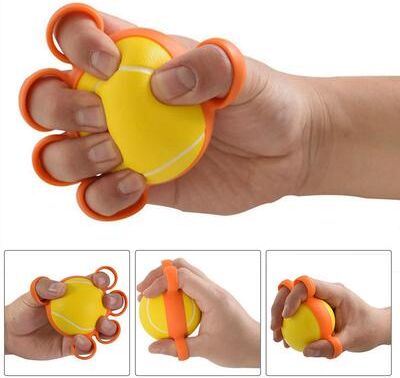
Inspire Daily Merch Finger Exercise Grip Strength Trainer For Arthritis Hand Therapy Ball Stress Relief Muscle Recovery Rehabilitation Finger Exercise Grip Strength Trainer For Arthritis Hand Therapy Ball Stress Relief Muscle Recovery RehabilitationEnhance Finger Strength and Mobility with the Hand Therapy Ball The Hand Therapy Ball is an essential tool designed to improve finger strength, hand flexibility, and rehabilitation. Whether you're recovering from an injury, managing arthritis, or...31,97 $*Shipping: 0,00 $Secure redirect to the provider
-
Healfit Counter Respirator Fitness Equipment, Breathing Trainer Mouthpiece, Lung Exercise Tool For Household Health Care Respirator Fitness Equipment, Breathing Trainer Mouthpiece, Lung Exercise Tool For Household Health CareEnhance your fitness and stamina with the Breathing Trainer Exercise Lung Face Mouthpiece Respirator Fitness Equipmentyour compact solution for improving lung performance and endurance. Designed for athletes, fitness enthusiasts, and anyone looking...27,97 $*Shipping: 0,00 $Secure redirect to the provider
-
Smart Shopping Spot Grip Strength Trainer Hand Grip Strengthener For Fitness, Forearm Exercise & Rehabilitation blueBuild stronger hands with a grip strength trainer designed to improve power, endurance, and confidence in every workout. Whether you're an athlete, musician, climber, or recovering from injury, this hand grip strengthener helps enhance grip...31,97 $*Shipping: 0,00 $Secure redirect to the provider




-
How can one compare the epistemological theories of Descartes and Hobbes?
Descartes and Hobbes both have distinct epistemological theories, with Descartes emphasizing rationalism and skepticism, while Hobbes focuses on empiricism and materialism. Descartes believed in the existence of innate ideas and the importance of reason in acquiring knowledge, while Hobbes argued that all knowledge comes from sensory experience. Additionally, Descartes sought to establish a foundation of certainty through his method of doubt, while Hobbes emphasized the importance of observation and experimentation in understanding the natural world. Despite their differences, both philosophers contributed significantly to the development of modern epistemology by exploring the nature and limits of human knowledge. **
-
What epistemological questions does the Allegory of the Cave provide answers to?
The Allegory of the Cave provides answers to several epistemological questions, such as the nature of reality and the limitations of human perception. It explores the idea of how our perceptions can be limited by our experiences and the influence of external forces. The allegory also addresses the question of how we come to know the truth and whether it is possible to break free from the constraints of our limited understanding. Additionally, it raises the question of the role of education and enlightenment in expanding our knowledge and understanding of the world. **
-
What is the epistemological difference between empiricism (Hobbes, Locke, Hume) and materialism?
Empiricism is the philosophical belief that knowledge comes primarily from sensory experience and observation. This means that empiricists like Hobbes, Locke, and Hume argue that all knowledge is derived from the senses and that the mind is a blank slate at birth. Materialism, on the other hand, is the philosophical belief that everything in the world, including human thoughts and experiences, can be explained in terms of physical matter and its interactions. Materialists argue that the mind and consciousness are ultimately reducible to physical processes in the brain. Therefore, while both empiricism and materialism emphasize the importance of sensory experience, the key difference lies in the nature of knowledge and the mind: empiricists focus on the origin of knowledge, while materialists focus on the nature of the mind and its relationship to the physical world. **
-
What are the differences between the epistemological theories of Socrates, Plato, Kant, Hume, and Descartes?
Socrates believed in the pursuit of knowledge through critical thinking and questioning, emphasizing the importance of self-examination and dialogue. Plato, a student of Socrates, expanded on these ideas and proposed the existence of a separate realm of perfect forms, which could only be accessed through reason and contemplation. Kant focused on the role of the mind in shaping our understanding of the world, arguing that our perceptions are filtered through innate categories of understanding. Hume, on the other hand, emphasized the limitations of human knowledge, arguing that our understanding is based on sensory experience and that we cannot know the true nature of things. Descartes, known for his method of doubt, sought to establish a foundation of knowledge through skepticism and rationalism, ultimately arriving at the famous phrase "I think, therefore I am." **


What is rehabilitation exercise for intervertebral discs?
Rehabilitation exercise for intervertebral discs is a targeted program designed to strengthen the muscles surrounding the spine, improve flexibility, and promote proper alignment of the spine. These exercises aim to reduce pressure on the intervertebral discs, promote healing, and prevent further injury. Common exercises include stretching, core strengthening, and low-impact aerobic activities. The goal of rehabilitation exercise for intervertebral discs is to improve overall spinal health and function, reduce pain, and prevent future disc-related issues. **
What does health insurance pay for rehabilitation?
Health insurance typically covers rehabilitation services such as physical therapy, occupational therapy, and speech therapy. It may also cover inpatient rehabilitation stays at a hospital or specialized facility. The coverage for rehabilitation services can vary depending on the type of insurance plan and the specific benefits outlined in the policy. It is important to check with your insurance provider to understand what rehabilitation services are covered under your plan. **
Top-Angebote
Products related to Epistemological:
-
Handpicked Choices Adjustable Finger Strengthener And Hand Grip Trainer Wrist Exercise Support For Rehabilitation Fitness And Therapy Adjustable Finger Strengthener And Hand Grip Trainer Wrist Exercise Support For Rehabilitation Fitness And TherapyRegain control, confidence, and comfort with this powerful finger strength trainer designed to support everyday movement and recovery. Whether you are an athlete, musician, or simply dealing with hand fatigue, this compact hand grip exerciser helps...189,97 $*Shipping: 0,00 $Secure redirect to the provider
-
Lush Living Finds Finger Exercise Hand Therapy Ball, Grip Strength Trainer For Rehabilitation And Stress Relief Finger Exercise Hand Therapy Ball, Grip Strength Trainer For Rehabilitation And Stress ReliefStrengthen and Recover with Hand Therapy Ball Our Hand Therapy Ball is designed 1 pcs to help you regain strength and mobility in your hands and fingers. Perfect for finger exercise, it targets key muscles for rehabilitation and stress relief....34,97 $*Shipping: 0,00 $Secure redirect to the provider
-
Youfap Market Portable Respiratory Trainer For Physical Therapy Rehabilitation Exercises, Sports Exercise Equipment blackSupport Stronger Breathing and Everyday Wellness Designed for women who want to stay active and confident, this portable respiratory trainer helps improve breathing strength through guided physical therapy rehabilitation exercises. It supports daily...49,97 $*Shipping: 0,00 $Secure redirect to the provider
-
Inspire Daily Merch Finger Exercise Grip Strength Trainer For Arthritis Hand Therapy Ball Stress Relief Muscle Recovery Rehabilitation Finger Exercise Grip Strength Trainer For Arthritis Hand Therapy Ball Stress Relief Muscle Recovery RehabilitationEnhance Finger Strength and Mobility with the Hand Therapy Ball The Hand Therapy Ball is an essential tool designed to improve finger strength, hand flexibility, and rehabilitation. Whether you're recovering from an injury, managing arthritis, or...31,97 $*Shipping: 0,00 $Secure redirect to the provider
-
What are the epistemological implications?
The epistemological implications of a question or topic refer to the ways in which it challenges or shapes our understanding of knowledge and how we come to know things. When considering the epistemological implications of a question, we are examining how it challenges our assumptions about what can be known, how it can be known, and the limits of our knowledge. This can lead to a deeper understanding of the nature of knowledge, the methods of inquiry, and the ways in which we construct and validate knowledge claims. In essence, considering the epistemological implications of a question prompts us to critically reflect on the nature and limitations of human knowledge. **
-
What is the difference between epistemological and ontological naturalism?
Epistemological naturalism is the belief that knowledge and understanding of the world should be based on naturalistic explanations and evidence, such as scientific inquiry and empirical observation. It focuses on how we come to know and understand the world around us. Ontological naturalism, on the other hand, is the belief that the natural world is all that exists, and that there are no supernatural or non-natural entities or forces. It focuses on the nature of reality and what exists in the world. In summary, epistemological naturalism is about how we know, while ontological naturalism is about what exists. **
-
How can one compare the epistemological theories of Descartes and Hobbes?
Descartes and Hobbes both have distinct epistemological theories, with Descartes emphasizing rationalism and skepticism, while Hobbes focuses on empiricism and materialism. Descartes believed in the existence of innate ideas and the importance of reason in acquiring knowledge, while Hobbes argued that all knowledge comes from sensory experience. Additionally, Descartes sought to establish a foundation of certainty through his method of doubt, while Hobbes emphasized the importance of observation and experimentation in understanding the natural world. Despite their differences, both philosophers contributed significantly to the development of modern epistemology by exploring the nature and limits of human knowledge. **
-
What epistemological questions does the Allegory of the Cave provide answers to?
The Allegory of the Cave provides answers to several epistemological questions, such as the nature of reality and the limitations of human perception. It explores the idea of how our perceptions can be limited by our experiences and the influence of external forces. The allegory also addresses the question of how we come to know the truth and whether it is possible to break free from the constraints of our limited understanding. Additionally, it raises the question of the role of education and enlightenment in expanding our knowledge and understanding of the world. **
Similar search terms for Epistemological
-
Healfit Counter Respirator Fitness Equipment, Breathing Trainer Mouthpiece, Lung Exercise Tool For Household Health Care Respirator Fitness Equipment, Breathing Trainer Mouthpiece, Lung Exercise Tool For Household Health CareEnhance your fitness and stamina with the Breathing Trainer Exercise Lung Face Mouthpiece Respirator Fitness Equipmentyour compact solution for improving lung performance and endurance. Designed for athletes, fitness enthusiasts, and anyone looking...27,97 $*Shipping: 0,00 $Secure redirect to the provider
-
Smart Shopping Spot Grip Strength Trainer Hand Grip Strengthener For Fitness, Forearm Exercise & Rehabilitation blueBuild stronger hands with a grip strength trainer designed to improve power, endurance, and confidence in every workout. Whether you're an athlete, musician, climber, or recovering from injury, this hand grip strengthener helps enhance grip...31,97 $*Shipping: 0,00 $Secure redirect to the provider
-
Inspire Select 2025 Health Smart Watch AMOLED Bluetooth Call Fitness Tracker With ECG & Wellness Monitoring pinkStay connected while monitoring your daily wellness with this advanced health smart watch designed for fitness, lifestyle tracking, and smart convenience. Featuring a stunning AMOLED smartwatch display, Bluetooth calling, ECG monitoring, and...299,96 $*Shipping: 0,00 $Secure redirect to the provider
-
Youfap Market Portable Respiratory Trainer For Physical Therapy Rehabilitation Exercises, Sports Exercise Equipment whiteSupport Stronger Breathing and Everyday Wellness Designed for women who want to stay active and confident, this portable respiratory trainer helps improve breathing strength through guided physical therapy rehabilitation exercises. It supports daily...49,97 $*Shipping: 0,00 $Secure redirect to the provider
-
What is the epistemological difference between empiricism (Hobbes, Locke, Hume) and materialism?
Empiricism is the philosophical belief that knowledge comes primarily from sensory experience and observation. This means that empiricists like Hobbes, Locke, and Hume argue that all knowledge is derived from the senses and that the mind is a blank slate at birth. Materialism, on the other hand, is the philosophical belief that everything in the world, including human thoughts and experiences, can be explained in terms of physical matter and its interactions. Materialists argue that the mind and consciousness are ultimately reducible to physical processes in the brain. Therefore, while both empiricism and materialism emphasize the importance of sensory experience, the key difference lies in the nature of knowledge and the mind: empiricists focus on the origin of knowledge, while materialists focus on the nature of the mind and its relationship to the physical world. **
-
What are the differences between the epistemological theories of Socrates, Plato, Kant, Hume, and Descartes?
Socrates believed in the pursuit of knowledge through critical thinking and questioning, emphasizing the importance of self-examination and dialogue. Plato, a student of Socrates, expanded on these ideas and proposed the existence of a separate realm of perfect forms, which could only be accessed through reason and contemplation. Kant focused on the role of the mind in shaping our understanding of the world, arguing that our perceptions are filtered through innate categories of understanding. Hume, on the other hand, emphasized the limitations of human knowledge, arguing that our understanding is based on sensory experience and that we cannot know the true nature of things. Descartes, known for his method of doubt, sought to establish a foundation of knowledge through skepticism and rationalism, ultimately arriving at the famous phrase "I think, therefore I am." **
-
What is rehabilitation exercise for intervertebral discs?
Rehabilitation exercise for intervertebral discs is a targeted program designed to strengthen the muscles surrounding the spine, improve flexibility, and promote proper alignment of the spine. These exercises aim to reduce pressure on the intervertebral discs, promote healing, and prevent further injury. Common exercises include stretching, core strengthening, and low-impact aerobic activities. The goal of rehabilitation exercise for intervertebral discs is to improve overall spinal health and function, reduce pain, and prevent future disc-related issues. **
-
What does health insurance pay for rehabilitation?
Health insurance typically covers rehabilitation services such as physical therapy, occupational therapy, and speech therapy. It may also cover inpatient rehabilitation stays at a hospital or specialized facility. The coverage for rehabilitation services can vary depending on the type of insurance plan and the specific benefits outlined in the policy. It is important to check with your insurance provider to understand what rehabilitation services are covered under your plan. **
* All prices are inclusive of VAT and, if applicable, plus shipping costs. The offer information is based on the details provided by the respective shop and is updated through automated processes. Real-time updates do not occur, so deviations can occur in individual cases. ** Note: Parts of this content were created by AI.