Buy rehazentrum.eu ?
We are moving the project
rehazentrum.eu .
Are you interested in purchasing the domain
rehazentrum.eu ?
domain@kv-gmbh.de · 0541-91531010
Buy rehazentrum.eu ?
How does the therapy end?
Therapy typically ends when the client and therapist mutually agree that the client has achieved their goals or made significant progress. The therapist may also suggest terminating therapy if they believe the client has gained the necessary tools and insights to continue their growth independently. A final session is usually scheduled to reflect on the progress made, discuss any remaining concerns, and create a plan for maintaining the progress achieved in therapy. **
'How do I end the therapy?'
Ending therapy can be a collaborative process between you and your therapist. It's important to have an open and honest conversation about your progress, goals, and readiness to end therapy. Your therapist can provide guidance and support as you work together to create a plan for ending therapy, which may include discussing any lingering issues or concerns, setting up a follow-up plan, and reflecting on the progress you've made. It's important to remember that ending therapy doesn't mean you can't return in the future if needed. **

Similar search terms for Costway-Industrial-Sofa-End
Top-Angebote
Products related to Costway-Industrial-Sofa-End:




-
'How do I end a therapy?'
Ending therapy is an important decision that should be made collaboratively between you and your therapist. It's important to have an open and honest conversation with your therapist about your reasons for ending therapy and to discuss any lingering issues or concerns. It's also important to have a plan for ongoing support or resources after therapy ends. Your therapist can help you process the ending of therapy and provide referrals or recommendations for continued support if needed. **
-
What is the end of therapy?
The end of therapy can vary depending on the individual's goals and progress. For some, the end of therapy may be when they have achieved their desired outcomes and feel equipped to manage their challenges independently. For others, it may be when they have developed the necessary coping skills and insights to navigate their difficulties more effectively. Ultimately, the end of therapy is typically marked by a mutual agreement between the client and therapist that the goals of therapy have been met and that the client is ready to conclude their sessions. **
-
When should one end the therapy?
One should consider ending therapy when they have achieved their therapy goals, feel they have gained the necessary tools and insights to manage their mental health on their own, and feel they have made significant progress in their personal growth. It is important to have an open and honest conversation with the therapist about ending therapy and to have a plan in place for ongoing support if needed. Additionally, if the therapist and client feel that they have reached a point of stagnation or that the therapy is no longer effective, it may be time to consider ending the therapy. **
-
Chair or sofa?
It ultimately depends on the specific needs and preferences of the individual. A chair may be more suitable for a smaller space or for someone who prefers a more upright seating position, while a sofa may be better for lounging and accommodating multiple people. Additionally, a sofa may be more comfortable for extended periods of sitting, while a chair may be more versatile for different activities such as reading or working. Ultimately, the choice between a chair or sofa comes down to personal preference and the specific requirements of the space. **


Is a sofa bed or pull-out sofa less comfortable for sitting than a regular sofa?
Sofa beds and pull-out sofas are generally less comfortable for sitting than regular sofas. This is because the cushions on sofa beds and pull-out sofas are often thinner and less supportive, as they need to be able to fold or bend to accommodate the bed mechanism. Additionally, the mattress or bed frame underneath can create an uneven surface for sitting. While they may be convenient for occasional use as a bed, they are not typically as comfortable for everyday sitting as a regular sofa. **
Why does the therapist end the therapy?
The therapist may end the therapy for several reasons, such as the client achieving their therapy goals, the client no longer needing therapy, or the therapist determining that the client is not benefiting from the therapy. Additionally, the therapist may end the therapy if there is a lack of progress, if the client is not actively participating, or if there are ethical or boundary issues that cannot be resolved within the therapeutic relationship. Ultimately, the decision to end therapy is made collaboratively between the therapist and the client to ensure that the client's needs are being met effectively. **
Top-Angebote
Products related to Costway-Industrial-Sofa-End:
-
How does the therapy end?
Therapy typically ends when the client and therapist mutually agree that the client has achieved their goals or made significant progress. The therapist may also suggest terminating therapy if they believe the client has gained the necessary tools and insights to continue their growth independently. A final session is usually scheduled to reflect on the progress made, discuss any remaining concerns, and create a plan for maintaining the progress achieved in therapy. **
-
'How do I end the therapy?'
Ending therapy can be a collaborative process between you and your therapist. It's important to have an open and honest conversation about your progress, goals, and readiness to end therapy. Your therapist can provide guidance and support as you work together to create a plan for ending therapy, which may include discussing any lingering issues or concerns, setting up a follow-up plan, and reflecting on the progress you've made. It's important to remember that ending therapy doesn't mean you can't return in the future if needed. **
-
'How do I end a therapy?'
Ending therapy is an important decision that should be made collaboratively between you and your therapist. It's important to have an open and honest conversation with your therapist about your reasons for ending therapy and to discuss any lingering issues or concerns. It's also important to have a plan for ongoing support or resources after therapy ends. Your therapist can help you process the ending of therapy and provide referrals or recommendations for continued support if needed. **
-
What is the end of therapy?
The end of therapy can vary depending on the individual's goals and progress. For some, the end of therapy may be when they have achieved their desired outcomes and feel equipped to manage their challenges independently. For others, it may be when they have developed the necessary coping skills and insights to navigate their difficulties more effectively. Ultimately, the end of therapy is typically marked by a mutual agreement between the client and therapist that the goals of therapy have been met and that the client is ready to conclude their sessions. **
Similar search terms for Costway-Industrial-Sofa-End
-
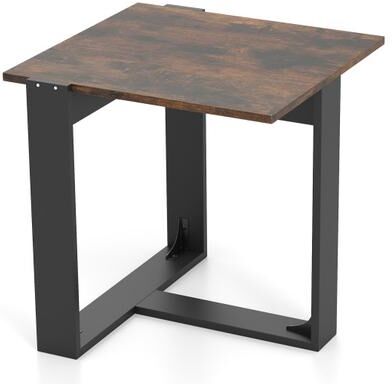
Costway Narrow Side Table with Charging Station and LED Lights Industrial End Table-BrownThis narrow nightstand enhances any room with an immersive RGB LED lighting system, delivering up to 16 static colors, 4 dynamic modes, 10-level adjustable brightness and flash speed via a convenient remote.59,99 $*Shipping: 0,00 $Secure redirect to the provider
-
When should one end the therapy?
One should consider ending therapy when they have achieved their therapy goals, feel they have gained the necessary tools and insights to manage their mental health on their own, and feel they have made significant progress in their personal growth. It is important to have an open and honest conversation with the therapist about ending therapy and to have a plan in place for ongoing support if needed. Additionally, if the therapist and client feel that they have reached a point of stagnation or that the therapy is no longer effective, it may be time to consider ending the therapy. **
-
Chair or sofa?
It ultimately depends on the specific needs and preferences of the individual. A chair may be more suitable for a smaller space or for someone who prefers a more upright seating position, while a sofa may be better for lounging and accommodating multiple people. Additionally, a sofa may be more comfortable for extended periods of sitting, while a chair may be more versatile for different activities such as reading or working. Ultimately, the choice between a chair or sofa comes down to personal preference and the specific requirements of the space. **
-
Is a sofa bed or pull-out sofa less comfortable for sitting than a regular sofa?
Sofa beds and pull-out sofas are generally less comfortable for sitting than regular sofas. This is because the cushions on sofa beds and pull-out sofas are often thinner and less supportive, as they need to be able to fold or bend to accommodate the bed mechanism. Additionally, the mattress or bed frame underneath can create an uneven surface for sitting. While they may be convenient for occasional use as a bed, they are not typically as comfortable for everyday sitting as a regular sofa. **
-
Why does the therapist end the therapy?
The therapist may end the therapy for several reasons, such as the client achieving their therapy goals, the client no longer needing therapy, or the therapist determining that the client is not benefiting from the therapy. Additionally, the therapist may end the therapy if there is a lack of progress, if the client is not actively participating, or if there are ethical or boundary issues that cannot be resolved within the therapeutic relationship. Ultimately, the decision to end therapy is made collaboratively between the therapist and the client to ensure that the client's needs are being met effectively. **
* All prices are inclusive of VAT and, if applicable, plus shipping costs. The offer information is based on the details provided by the respective shop and is updated through automated processes. Real-time updates do not occur, so deviations can occur in individual cases. ** Note: Parts of this content were created by AI.