Buy rehazentrum.eu ?
We are moving the project
rehazentrum.eu .
Are you interested in purchasing the domain
rehazentrum.eu ?
domain@kv-gmbh.de · 0541-91531010
Buy rehazentrum.eu ?
What are sensory cells, sensory organs, and senses?
Sensory cells are specialized cells that detect and respond to specific stimuli, such as light, sound, touch, taste, and smell. These cells are found in sensory organs, which are structures in the body that contain sensory cells and are responsible for detecting and transmitting sensory information to the brain. The senses, on the other hand, are the physiological capacities of organisms that provide data for perception. They include sight, hearing, touch, taste, and smell, and are essential for experiencing and interacting with the environment. **
Does the retainer wiggle?
No, the retainer does not wiggle. A properly fitted retainer should fit snugly against the teeth and should not move or wiggle when in place. If the retainer is loose or wiggling, it may need to be adjusted or replaced to ensure it is effectively maintaining the position of the teeth. It is important to consult with a dentist or orthodontist if you experience any issues with the fit of your retainer. **
Similar search terms for Bouncyband-Wiggle-Seat-Sensory
Top-Angebote
Products related to Bouncyband-Wiggle-Seat-Sensory:
-
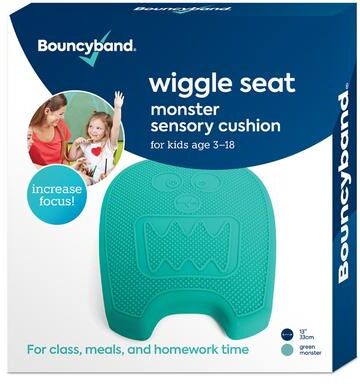
Bouncyband Wiggle Seat Sensory Cushion, Mint MonsterKids stay calm and focused while sitting as the seat gives them an outlet for excess energy in the classroom, during meals and at homework time. All of the advantages of a traditional wiggle seat, but with a lot more fun!27,99 $*Shipping: 0,00 $Secure redirect to the provider
-
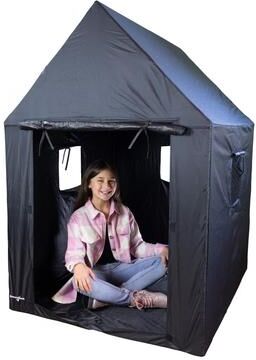
Bouncyband Indoor Framed Sensory Dark DenBouncyband Framed Indoor Sensory Dark Den - Sturdy ready-made safe sensory environment for classroom & home use. Perfect for children who need a distraction free setting or stimulation via glowing objects. Create an interference-free mini sensory room.145,99 $*Shipping: 0,00 $Secure redirect to the provider
-
Bouncyband Pop-Up Portable Sensory Dark DenThe Pop-Up Portable Sensory Dark Den makes it simple to create a calm, ever-changing environment for classroom and home use. Perfect for children who need a distraction free setting or stimulation via glowing objects.148,99 $*Shipping: 0,00 $Secure redirect to the provider
-
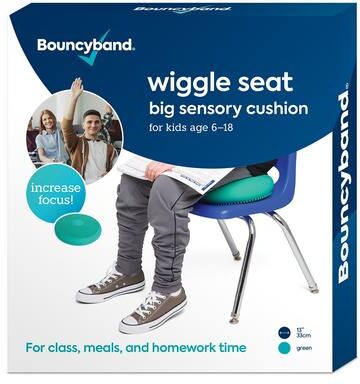
Bouncyband Big Wiggle Seat Sensory Cushion, SilverKids stay calm and focused while sitting as the seat gives them an outlet for excess energy in the classroom, during meals and at homework time. Allow children to quietly move while working enabling them to be more productive.28,99 $*Shipping: 0,00 $Secure redirect to the provider


-
What is the difference between a primary sensory cell, a secondary sensory cell, and a sensory nerve cell?
Primary sensory cells are specialized cells that directly detect stimuli from the environment, such as light, sound, or touch. Secondary sensory cells receive signals from primary sensory cells and transmit them to the central nervous system. Sensory nerve cells, also known as sensory neurons, are responsible for transmitting the signals from secondary sensory cells to the brain, where they are processed and interpreted. In summary, primary sensory cells detect stimuli, secondary sensory cells relay the signals, and sensory nerve cells transmit the signals to the brain for processing. **
-
What is sensory perception?
Sensory perception refers to the process of receiving and interpreting information from the environment through the senses. This includes the five main senses of sight, hearing, touch, taste, and smell, as well as other sensory experiences such as balance, proprioception, and temperature. The brain then processes this sensory information to create a perception of the world around us, allowing us to interact with and understand our surroundings. Sensory perception is essential for everyday functioning and plays a crucial role in how we experience and navigate the world. **
-
Are receptors sensory cells?
Receptors are not sensory cells themselves, but they are specialized proteins located on the surface of sensory cells. These receptors are responsible for detecting and responding to specific stimuli, such as light, sound, taste, or smell. When a receptor is activated by a stimulus, it triggers a series of biochemical reactions within the sensory cell, ultimately leading to the generation of a sensory signal that can be transmitted to the brain for processing. Therefore, while receptors are not sensory cells, they play a crucial role in the sensory process by detecting and transducing stimuli into neural signals. **
-
Why does Jell-O wiggle?
Jell-O wiggles because of its gelatin content. Gelatin is a protein derived from collagen, which forms a network that traps water molecules. When Jell-O is mixed with hot water and then cooled, the gelatin molecules form a flexible matrix that allows the water to move within it, creating the characteristic wiggly texture. This is why Jell-O is able to hold its shape while still being soft and jiggly. **


How does the scalp wiggle?
The scalp wiggles through the movement of the muscles and tissues underneath the skin. When the muscles in the scalp contract and relax, they cause the skin to move, creating the sensation of wiggling. This movement can be voluntary, such as when we intentionally move our scalp, or involuntary, such as when we experience involuntary muscle contractions or twitches. Additionally, the scalp can also wiggle in response to external stimuli, such as touch or pressure. **
Why do acrylic nails wiggle?
Acrylic nails may wiggle or feel loose if they were not properly applied or if the natural nail underneath has grown, causing the acrylic to lift. This can also happen if the acrylic nails were not properly sized or shaped to fit the natural nail. In some cases, the acrylic nails may also wiggle due to excessive use of the hands, which can put pressure on the nails and cause them to loosen. It is important to have acrylic nails applied by a professional to ensure a proper fit and minimize the risk of them wiggling. **
Top-Angebote
Products related to Bouncyband-Wiggle-Seat-Sensory:
-
Bouncyband Big Wiggle Seat Sensory Cushion, MintKids stay calm and focused while sitting as the seat gives them an outlet for excess energy in the classroom, during meals and at homework time. Allow children to quietly move while working enabling them to be more productive.30,49 $*Shipping: 0,00 $Secure redirect to the provider
-
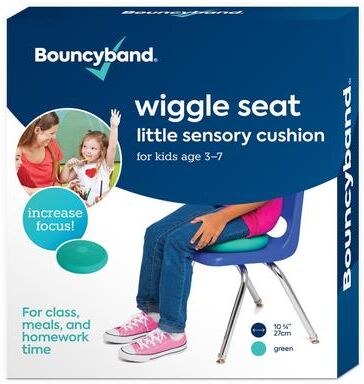
Bouncyband Little Wiggle Seat Sensory Cushion, MintSpecially designed 27cm wiggle seats for young children- help calm and focus those in early primary school and preschool who have a hard time sitting still. Allow children to quietly move while working enabling them to be more productive.23,99 $*Shipping: 0,00 $Secure redirect to the provider
-
Bouncyband Wiggle Seat Sensory Cushion, Mint MonsterKids stay calm and focused while sitting as the seat gives them an outlet for excess energy in the classroom, during meals and at homework time. All of the advantages of a traditional wiggle seat, but with a lot more fun!27,99 $*Shipping: 0,00 $Secure redirect to the provider
-
Bouncyband Indoor Framed Sensory Dark DenBouncyband Framed Indoor Sensory Dark Den - Sturdy ready-made safe sensory environment for classroom & home use. Perfect for children who need a distraction free setting or stimulation via glowing objects. Create an interference-free mini sensory room.145,99 $*Shipping: 0,00 $Secure redirect to the provider
-
What are sensory cells, sensory organs, and senses?
Sensory cells are specialized cells that detect and respond to specific stimuli, such as light, sound, touch, taste, and smell. These cells are found in sensory organs, which are structures in the body that contain sensory cells and are responsible for detecting and transmitting sensory information to the brain. The senses, on the other hand, are the physiological capacities of organisms that provide data for perception. They include sight, hearing, touch, taste, and smell, and are essential for experiencing and interacting with the environment. **
-
Does the retainer wiggle?
No, the retainer does not wiggle. A properly fitted retainer should fit snugly against the teeth and should not move or wiggle when in place. If the retainer is loose or wiggling, it may need to be adjusted or replaced to ensure it is effectively maintaining the position of the teeth. It is important to consult with a dentist or orthodontist if you experience any issues with the fit of your retainer. **
-
What is the difference between a primary sensory cell, a secondary sensory cell, and a sensory nerve cell?
Primary sensory cells are specialized cells that directly detect stimuli from the environment, such as light, sound, or touch. Secondary sensory cells receive signals from primary sensory cells and transmit them to the central nervous system. Sensory nerve cells, also known as sensory neurons, are responsible for transmitting the signals from secondary sensory cells to the brain, where they are processed and interpreted. In summary, primary sensory cells detect stimuli, secondary sensory cells relay the signals, and sensory nerve cells transmit the signals to the brain for processing. **
-
What is sensory perception?
Sensory perception refers to the process of receiving and interpreting information from the environment through the senses. This includes the five main senses of sight, hearing, touch, taste, and smell, as well as other sensory experiences such as balance, proprioception, and temperature. The brain then processes this sensory information to create a perception of the world around us, allowing us to interact with and understand our surroundings. Sensory perception is essential for everyday functioning and plays a crucial role in how we experience and navigate the world. **
Similar search terms for Bouncyband-Wiggle-Seat-Sensory
-
Bouncyband Pop-Up Portable Sensory Dark DenThe Pop-Up Portable Sensory Dark Den makes it simple to create a calm, ever-changing environment for classroom and home use. Perfect for children who need a distraction free setting or stimulation via glowing objects.148,99 $*Shipping: 0,00 $Secure redirect to the provider
-
Bouncyband Big Wiggle Seat Sensory Cushion, SilverKids stay calm and focused while sitting as the seat gives them an outlet for excess energy in the classroom, during meals and at homework time. Allow children to quietly move while working enabling them to be more productive.28,99 $*Shipping: 0,00 $Secure redirect to the provider
-
Bouncyband Little Wiggle Seat Sensory Cushion, OrangeSpecially designed 27cm wiggle seats for young children- help calm and focus those in early primary school and preschool who have a hard time sitting still. Allow children to quietly move while working enabling them to be more productive.22,89 $*Shipping: 0,00 $Secure redirect to the provider
-
Bouncyband Wiggle Seat Sensory Cushion, Orange BasketballKids stay calm and focused while sitting as the seat gives them an outlet for excess energy in the classroom, during meals and at homework time. All of the advantages of a traditional wiggle seat, but with a lot more fun!29,49 $*Shipping: 0,00 $Secure redirect to the provider
-
Are receptors sensory cells?
Receptors are not sensory cells themselves, but they are specialized proteins located on the surface of sensory cells. These receptors are responsible for detecting and responding to specific stimuli, such as light, sound, taste, or smell. When a receptor is activated by a stimulus, it triggers a series of biochemical reactions within the sensory cell, ultimately leading to the generation of a sensory signal that can be transmitted to the brain for processing. Therefore, while receptors are not sensory cells, they play a crucial role in the sensory process by detecting and transducing stimuli into neural signals. **
-
Why does Jell-O wiggle?
Jell-O wiggles because of its gelatin content. Gelatin is a protein derived from collagen, which forms a network that traps water molecules. When Jell-O is mixed with hot water and then cooled, the gelatin molecules form a flexible matrix that allows the water to move within it, creating the characteristic wiggly texture. This is why Jell-O is able to hold its shape while still being soft and jiggly. **
-
How does the scalp wiggle?
The scalp wiggles through the movement of the muscles and tissues underneath the skin. When the muscles in the scalp contract and relax, they cause the skin to move, creating the sensation of wiggling. This movement can be voluntary, such as when we intentionally move our scalp, or involuntary, such as when we experience involuntary muscle contractions or twitches. Additionally, the scalp can also wiggle in response to external stimuli, such as touch or pressure. **
-
Why do acrylic nails wiggle?
Acrylic nails may wiggle or feel loose if they were not properly applied or if the natural nail underneath has grown, causing the acrylic to lift. This can also happen if the acrylic nails were not properly sized or shaped to fit the natural nail. In some cases, the acrylic nails may also wiggle due to excessive use of the hands, which can put pressure on the nails and cause them to loosen. It is important to have acrylic nails applied by a professional to ensure a proper fit and minimize the risk of them wiggling. **
* All prices are inclusive of VAT and, if applicable, plus shipping costs. The offer information is based on the details provided by the respective shop and is updated through automated processes. Real-time updates do not occur, so deviations can occur in individual cases. ** Note: Parts of this content were created by AI.