Buy rehazentrum.eu ?
We are moving the project
rehazentrum.eu .
Are you interested in purchasing the domain
rehazentrum.eu ?
domain@kv-gmbh.de · 0541-91531010
Buy rehazentrum.eu ?
What are lipid biomembranes?
Lipid biomembranes are structures composed mainly of lipids that form the outer boundary of cells and organelles. These biomembranes are selectively permeable, allowing certain molecules to pass through while blocking others. They play a crucial role in maintaining the integrity and function of cells by regulating the transport of ions and molecules, as well as providing a platform for various cellular processes such as signaling and cell-cell interactions. Lipid biomembranes are dynamic structures that can change in composition and organization in response to environmental cues and cellular needs. **
What is the function of biomembranes?
Biomembranes serve several important functions in living organisms. They act as a barrier, separating the internal environment of the cell from the external environment, and controlling the movement of substances in and out of the cell. Biomembranes also play a role in cell recognition and communication, as they contain proteins and receptors that allow cells to interact with each other and with their environment. Additionally, biomembranes are involved in maintaining the structural integrity of cells and organelles. Overall, biomembranes are essential for the proper functioning and survival of cells and organisms. **
Similar search terms for Biomembranes
Top-Angebote
Products related to Biomembranes:
-
Youfap Market Portable Respiratory Trainer For Physical Therapy Rehabilitation Exercises, Sports Exercise Equipment whiteSupport Stronger Breathing and Everyday Wellness Designed for women who want to stay active and confident, this portable respiratory trainer helps improve breathing strength through guided physical therapy rehabilitation exercises. It supports daily...49,97 $*Shipping: 0,00 $Secure redirect to the provider
-
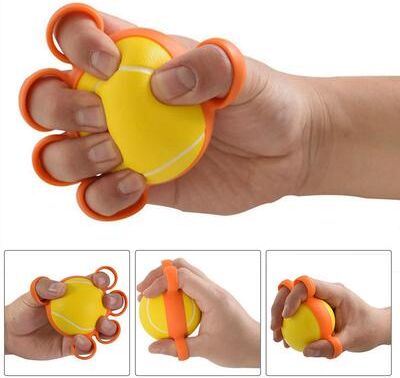
Inspire Daily Merch Finger Exercise Grip Strength Trainer For Arthritis Hand Therapy Ball Stress Relief Muscle Recovery Rehabilitation Finger Exercise Grip Strength Trainer For Arthritis Hand Therapy Ball Stress Relief Muscle Recovery RehabilitationEnhance Finger Strength and Mobility with the Hand Therapy Ball The Hand Therapy Ball is an essential tool designed to improve finger strength, hand flexibility, and rehabilitation. Whether you're recovering from an injury, managing arthritis, or...31,97 $*Shipping: 0,00 $Secure redirect to the provider
-
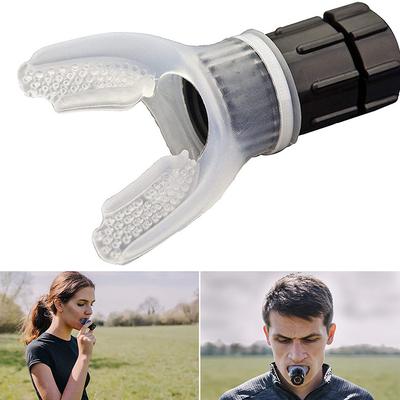
Healfit Counter Respirator Fitness Equipment, Breathing Trainer Mouthpiece, Lung Exercise Tool For Household Health Care Respirator Fitness Equipment, Breathing Trainer Mouthpiece, Lung Exercise Tool For Household Health CareEnhance your fitness and stamina with the Breathing Trainer Exercise Lung Face Mouthpiece Respirator Fitness Equipmentyour compact solution for improving lung performance and endurance. Designed for athletes, fitness enthusiasts, and anyone looking...27,97 $*Shipping: 0,00 $Secure redirect to the provider
-
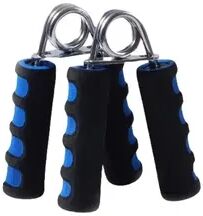
Smart Shopping Spot Grip Strength Trainer Hand Grip Strengthener For Fitness, Forearm Exercise & Rehabilitation blueBuild stronger hands with a grip strength trainer designed to improve power, endurance, and confidence in every workout. Whether you're an athlete, musician, climber, or recovering from injury, this hand grip strengthener helps enhance grip...31,97 $*Shipping: 0,00 $Secure redirect to the provider

-
What are the different functions of biomembranes?
Biomembranes serve several important functions in cells. They act as a barrier, regulating the passage of molecules in and out of the cell. They also provide structural support and shape to cells. Additionally, biomembranes play a crucial role in cell communication and signaling by containing receptors and other proteins that allow cells to interact with their environment. Lastly, biomembranes are involved in compartmentalization, separating different organelles within the cell and maintaining their distinct environments. **
-
How are membrane proteins arranged in biomembranes?
Membrane proteins are arranged in biomembranes in various ways. Some proteins are embedded within the lipid bilayer, with portions of the protein extending into both the inner and outer layers of the membrane. Other proteins are attached to the membrane surface, either on the cytoplasmic side or the extracellular side. Additionally, some proteins span the entire membrane, with portions of the protein exposed on both sides. The specific arrangement of membrane proteins is crucial for their functions, such as transport, signaling, and cell recognition. **
-
How do transport processes occur at biomembranes?
Transport processes at biomembranes occur through various mechanisms such as passive diffusion, facilitated diffusion, and active transport. Passive diffusion involves the movement of molecules across the membrane down their concentration gradient, while facilitated diffusion involves the use of transport proteins to help molecules move across the membrane. Active transport requires the use of energy, usually in the form of ATP, to move molecules against their concentration gradient. These processes are essential for the uptake of nutrients, removal of waste products, and maintenance of cellular homeostasis. **
-
How do transport processes occur through biomembranes?
Transport processes occur through biomembranes via various mechanisms such as passive diffusion, facilitated diffusion, and active transport. Passive diffusion involves the movement of small, non-polar molecules across the membrane down their concentration gradient. Facilitated diffusion involves the movement of larger or polar molecules with the help of transport proteins. Active transport, on the other hand, requires energy in the form of ATP to move molecules against their concentration gradient. These transport processes are essential for maintaining the internal environment of the cell and for the uptake of nutrients and removal of waste products. **

Why are biomembranes more impermeable to water?
Biomembranes are more impermeable to water due to the presence of hydrophobic lipid bilayers that form the structure of the membrane. The hydrophobic tails of the lipid molecules repel water, making it difficult for water molecules to pass through the membrane. Additionally, the presence of integral membrane proteins and cholesterol further restricts the movement of water molecules across the membrane. This selective permeability allows the cell to regulate the passage of water and other molecules, maintaining internal homeostasis. **
Why does cholesterol increase the flexibility of biomembranes?
Cholesterol increases the flexibility of biomembranes by inserting itself between the phospholipid molecules in the membrane. This helps to prevent the phospholipids from packing too closely together, which would decrease the fluidity and flexibility of the membrane. Additionally, cholesterol helps to stabilize the membrane by reducing the permeability to small water-soluble molecules, while still allowing for the movement of larger molecules and maintaining the overall integrity of the membrane structure. Overall, cholesterol plays a crucial role in maintaining the fluidity and flexibility of biomembranes, which is essential for various cellular processes and functions. **
Top-Angebote
Products related to Biomembranes:
-
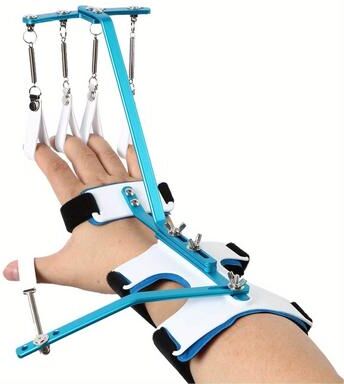
Handpicked Choices Adjustable Finger Strengthener And Hand Grip Trainer Wrist Exercise Support For Rehabilitation Fitness And Therapy Adjustable Finger Strengthener And Hand Grip Trainer Wrist Exercise Support For Rehabilitation Fitness And TherapyRegain control, confidence, and comfort with this powerful finger strength trainer designed to support everyday movement and recovery. Whether you are an athlete, musician, or simply dealing with hand fatigue, this compact hand grip exerciser helps...189,97 $*Shipping: 0,00 $Secure redirect to the provider
-
Lush Living Finds Finger Exercise Hand Therapy Ball, Grip Strength Trainer For Rehabilitation And Stress Relief Finger Exercise Hand Therapy Ball, Grip Strength Trainer For Rehabilitation And Stress ReliefStrengthen and Recover with Hand Therapy Ball Our Hand Therapy Ball is designed 1 pcs to help you regain strength and mobility in your hands and fingers. Perfect for finger exercise, it targets key muscles for rehabilitation and stress relief....34,97 $*Shipping: 0,00 $Secure redirect to the provider
-
Youfap Market Portable Respiratory Trainer For Physical Therapy Rehabilitation Exercises, Sports Exercise Equipment whiteSupport Stronger Breathing and Everyday Wellness Designed for women who want to stay active and confident, this portable respiratory trainer helps improve breathing strength through guided physical therapy rehabilitation exercises. It supports daily...49,97 $*Shipping: 0,00 $Secure redirect to the provider
-
Inspire Daily Merch Finger Exercise Grip Strength Trainer For Arthritis Hand Therapy Ball Stress Relief Muscle Recovery Rehabilitation Finger Exercise Grip Strength Trainer For Arthritis Hand Therapy Ball Stress Relief Muscle Recovery RehabilitationEnhance Finger Strength and Mobility with the Hand Therapy Ball The Hand Therapy Ball is an essential tool designed to improve finger strength, hand flexibility, and rehabilitation. Whether you're recovering from an injury, managing arthritis, or...31,97 $*Shipping: 0,00 $Secure redirect to the provider
-
What are lipid biomembranes?
Lipid biomembranes are structures composed mainly of lipids that form the outer boundary of cells and organelles. These biomembranes are selectively permeable, allowing certain molecules to pass through while blocking others. They play a crucial role in maintaining the integrity and function of cells by regulating the transport of ions and molecules, as well as providing a platform for various cellular processes such as signaling and cell-cell interactions. Lipid biomembranes are dynamic structures that can change in composition and organization in response to environmental cues and cellular needs. **
-
What is the function of biomembranes?
Biomembranes serve several important functions in living organisms. They act as a barrier, separating the internal environment of the cell from the external environment, and controlling the movement of substances in and out of the cell. Biomembranes also play a role in cell recognition and communication, as they contain proteins and receptors that allow cells to interact with each other and with their environment. Additionally, biomembranes are involved in maintaining the structural integrity of cells and organelles. Overall, biomembranes are essential for the proper functioning and survival of cells and organisms. **
-
What are the different functions of biomembranes?
Biomembranes serve several important functions in cells. They act as a barrier, regulating the passage of molecules in and out of the cell. They also provide structural support and shape to cells. Additionally, biomembranes play a crucial role in cell communication and signaling by containing receptors and other proteins that allow cells to interact with their environment. Lastly, biomembranes are involved in compartmentalization, separating different organelles within the cell and maintaining their distinct environments. **
-
How are membrane proteins arranged in biomembranes?
Membrane proteins are arranged in biomembranes in various ways. Some proteins are embedded within the lipid bilayer, with portions of the protein extending into both the inner and outer layers of the membrane. Other proteins are attached to the membrane surface, either on the cytoplasmic side or the extracellular side. Additionally, some proteins span the entire membrane, with portions of the protein exposed on both sides. The specific arrangement of membrane proteins is crucial for their functions, such as transport, signaling, and cell recognition. **
Similar search terms for Biomembranes
-
Healfit Counter Respirator Fitness Equipment, Breathing Trainer Mouthpiece, Lung Exercise Tool For Household Health Care Respirator Fitness Equipment, Breathing Trainer Mouthpiece, Lung Exercise Tool For Household Health CareEnhance your fitness and stamina with the Breathing Trainer Exercise Lung Face Mouthpiece Respirator Fitness Equipmentyour compact solution for improving lung performance and endurance. Designed for athletes, fitness enthusiasts, and anyone looking...27,97 $*Shipping: 0,00 $Secure redirect to the provider
-
Smart Shopping Spot Grip Strength Trainer Hand Grip Strengthener For Fitness, Forearm Exercise & Rehabilitation blueBuild stronger hands with a grip strength trainer designed to improve power, endurance, and confidence in every workout. Whether you're an athlete, musician, climber, or recovering from injury, this hand grip strengthener helps enhance grip...31,97 $*Shipping: 0,00 $Secure redirect to the provider
-
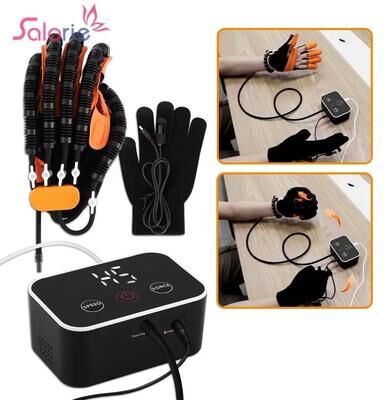
Inspired Finds Upgraded Rehabilitation Robot Gloves Stroke Recovery Hand Trainer For Hemiplegia, Finger Exercise & Therapy Support left SRegain independence and improve daily living with the rehabilitation robot gloves designed for people recovering from stroke, hemiplegia, or reduced hand mobility. These smart therapy gloves use advanced pneumatic technology to gently assist finger...135,99 $*Shipping: 0,00 $Secure redirect to the provider
-
Youfap Market Portable Respiratory Trainer For Physical Therapy Rehabilitation Exercises, Sports Exercise Equipment blackSupport Stronger Breathing and Everyday Wellness Designed for women who want to stay active and confident, this portable respiratory trainer helps improve breathing strength through guided physical therapy rehabilitation exercises. It supports daily...49,97 $*Shipping: 0,00 $Secure redirect to the provider
-
How do transport processes occur at biomembranes?
Transport processes at biomembranes occur through various mechanisms such as passive diffusion, facilitated diffusion, and active transport. Passive diffusion involves the movement of molecules across the membrane down their concentration gradient, while facilitated diffusion involves the use of transport proteins to help molecules move across the membrane. Active transport requires the use of energy, usually in the form of ATP, to move molecules against their concentration gradient. These processes are essential for the uptake of nutrients, removal of waste products, and maintenance of cellular homeostasis. **
-
How do transport processes occur through biomembranes?
Transport processes occur through biomembranes via various mechanisms such as passive diffusion, facilitated diffusion, and active transport. Passive diffusion involves the movement of small, non-polar molecules across the membrane down their concentration gradient. Facilitated diffusion involves the movement of larger or polar molecules with the help of transport proteins. Active transport, on the other hand, requires energy in the form of ATP to move molecules against their concentration gradient. These transport processes are essential for maintaining the internal environment of the cell and for the uptake of nutrients and removal of waste products. **
-
Why are biomembranes more impermeable to water?
Biomembranes are more impermeable to water due to the presence of hydrophobic lipid bilayers that form the structure of the membrane. The hydrophobic tails of the lipid molecules repel water, making it difficult for water molecules to pass through the membrane. Additionally, the presence of integral membrane proteins and cholesterol further restricts the movement of water molecules across the membrane. This selective permeability allows the cell to regulate the passage of water and other molecules, maintaining internal homeostasis. **
-
Why does cholesterol increase the flexibility of biomembranes?
Cholesterol increases the flexibility of biomembranes by inserting itself between the phospholipid molecules in the membrane. This helps to prevent the phospholipids from packing too closely together, which would decrease the fluidity and flexibility of the membrane. Additionally, cholesterol helps to stabilize the membrane by reducing the permeability to small water-soluble molecules, while still allowing for the movement of larger molecules and maintaining the overall integrity of the membrane structure. Overall, cholesterol plays a crucial role in maintaining the fluidity and flexibility of biomembranes, which is essential for various cellular processes and functions. **
* All prices are inclusive of VAT and, if applicable, plus shipping costs. The offer information is based on the details provided by the respective shop and is updated through automated processes. Real-time updates do not occur, so deviations can occur in individual cases. ** Note: Parts of this content were created by AI.