Buy rehazentrum.eu ?
We are moving the project
rehazentrum.eu .
Are you interested in purchasing the domain
rehazentrum.eu ?
domain@kv-gmbh.de · 0541-91531010
Buy rehazentrum.eu ?
Is the Nikon Z6II with the Nikkor 24-200mm lens suitable for plane spotting?
Yes, the Nikon Z6II with the Nikkor 24-200mm lens can be suitable for plane spotting. The 24-200mm focal length range allows for versatility in capturing planes both near and far. The Z6II's fast and accurate autofocus system can help in tracking fast-moving planes. Additionally, the camera's high-resolution sensor and image stabilization can result in sharp and clear images of planes in various lighting conditions. **
What is the objective difference between the 18-200mm and the 55-200mm?
The objective difference between the 18-200mm and the 55-200mm lenses is their focal length range. The 18-200mm lens has a wider focal length range, allowing for both wide-angle and telephoto shots, making it a more versatile option for various types of photography. On the other hand, the 55-200mm lens has a narrower focal length range, making it more suitable for capturing distant subjects with its telephoto capabilities. Ultimately, the choice between the two lenses depends on the specific photography needs and shooting preferences of the user. **


Similar search terms for 24-200mm
Top-Angebote
Products related to 24-200mm:
-
Uplift Picks Flexible Aluminum Foil Ventilation Duct Hose 80 To 200mm 200mmImprove airflow in kitchens, bathrooms, workshops, and ventilation setups with this aluminum foil duct hose designed for flexible routing and easy installation. Its expandable construction bends around corners and tight spaces while the builtin...63,00 $*Shipping: 0,00 $Secure redirect to the provider
-
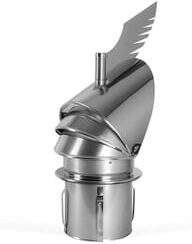
Darco Dragon Chimney Cowl - 200mmRotowent 200mm Dragon Chimney Cowl – Maximise Chimney Draught & Efficiency The Rotowent Dragon 200mm Chimney Cowl is expertly engineered to enhance chimney draught using the dynamic force of the wind. Designed to continuously adjust to wind direction, this high-performance chimney cap prevents downdraught and is ideal for gravitation-based chimney ducts, as well as ventilation, flue, and smoke outlets. Key Features: Wind-Powered Efficiency: The Dragon chimney cowl effortlessly rotates to oppose the wind, ensuring optimal performance in all weather conditions. Patented Rotating System: Equipped with durable ball bearings positioned outside the cap, the Rotowent Dragon withstands extreme temperatures of up to 500C, making it perfect for wo144,00 £*Shipping: 0,00 £Secure redirect to the provider
-
Darco Dragon Chimney Cowl Black - 200mmRotowent 200mm Dragon Chimney Cowl in Black – Maximise Chimney Draught & Efficiency The Rotowent Dragon 200mm Chimney Cowl is expertly engineered to enhance chimney draught using the dynamic force of the wind. Designed to continuously adjust to wind direction, this high-performance chimney cap prevents downdraught and is ideal for gravitation-based chimney ducts, as well as ventilation, flue, and smoke outlets. Key Features: Wind-Powered Efficiency: The Dragon chimney cowl effortlessly rotates to oppose the wind, ensuring optimal performance in all weather conditions. Patented Rotating System: Equipped with durable ball bearings positioned outside the cap, the Rotowent Dragon withstands extreme temperatures of up to 500C, making it perfe184,80 £*Shipping: 0,00 £Secure redirect to the provider



-
How often is the zoom at 200mm?
The zoom at 200mm is typically found on telephoto lenses, and it is a popular focal length for capturing distant subjects such as wildlife, sports, and events. The frequency of using the zoom at 200mm depends on the specific needs of the photographer and the type of photography they are doing. For some photographers, they may use the 200mm zoom frequently for capturing distant subjects, while others may use it less often depending on their shooting style and preferences. **
-
Is the Canon 70-200mm L IS III blurry?
No, the Canon 70-200mm L IS III is not known to be blurry. In fact, it is highly regarded for its sharpness and image quality. The lens is designed to produce clear and crisp images, making it a popular choice among professional photographers for capturing detailed and high-quality shots. **
-
Can the Sigma 70-200mm f/2.8 be rented?
Yes, the Sigma 70-200mm f/2.8 lens can be rented from various camera rental companies or online rental platforms. Renting camera equipment is a cost-effective way to try out different lenses before making a purchase or to use specialized equipment for a specific project without committing to buying it. Renting also allows photographers to access high-quality gear for a fraction of the cost of purchasing it outright. **
-
What are the differences between the Canon EF 70-200mm lenses?
The Canon EF 70-200mm lens is available in several versions, including the f/2.8L IS III, f/4L IS II, and f/4L non-IS. The main differences between these lenses are their maximum aperture, image stabilization, and price. The f/2.8L IS III has a wider maximum aperture, which allows for better low-light performance and more background blur. It also has image stabilization and is the most expensive of the three. The f/4L IS II also has image stabilization but has a narrower maximum aperture, making it lighter and more affordable. The f/4L non-IS does not have image stabilization and has the narrowest maximum aperture, making it the lightest and most affordable option. **


Is it better to use a 200mm or a 300mm lens?
The choice between a 200mm and a 300mm lens depends on the specific photography needs. A 200mm lens is more versatile and can be used for a wider range of subjects, such as portraits, wildlife, and sports. On the other hand, a 300mm lens offers greater reach and is better suited for capturing distant subjects, such as wildlife or sports action from a distance. Ultimately, the decision should be based on the specific requirements of the photography project and the desired focal length. **
How can one photograph stars with a 70-200mm f/2.8 lens?
To photograph stars with a 70-200mm f/2.8 lens, you will need to use a tripod to keep the camera steady and prevent any blurring. Set the lens to its widest aperture of f/2.8 to allow as much light as possible to enter the camera. Use a high ISO setting, such as 1600 or 3200, to capture the faint light of the stars. Set the shutter speed to a longer exposure, such as 15-30 seconds, to allow enough time for the stars to register on the sensor. Finally, use manual focus to ensure the stars are sharp and in focus. **
Top-Angebote
Products related to 24-200mm:
-
Life Fitness Club Series Plus Upright Exercise Bike Discover SE4 24The Life Fitness Club Series Plus Upright Exercise Bike brings gym-level performance into your home, combining the durability of commercial equipment with the latest in workout tech. Backed by 20 years of trusted design, it’s packed with features to keep your workouts comfortable and efficient....7795,00 £*Shipping: 0,00 £Secure redirect to the provider
-
Life Fitness Club Series Plus Recumbent Exercise Bike Discover SE4 24The Life Fitness Club Series Plus Recumbent Exercise Bike brings gym-level quality into your home. Its Comfort Curve Plusâ„¢ seat with lumbar support and step-through frame allow for easy entry and a secure, ergonomic seating position. Choose between two consoles: the SE4 24’’ touchscreen with...8245,00 £*Shipping: 0,00 £Secure redirect to the provider
-
Uplift Picks Flexible Aluminum Foil Ventilation Duct Hose 80 To 200mm 200mmImprove airflow in kitchens, bathrooms, workshops, and ventilation setups with this aluminum foil duct hose designed for flexible routing and easy installation. Its expandable construction bends around corners and tight spaces while the builtin...63,00 $*Shipping: 0,00 $Secure redirect to the provider
-
Is the Nikon Z6II with the Nikkor 24-200mm lens suitable for plane spotting?
Yes, the Nikon Z6II with the Nikkor 24-200mm lens can be suitable for plane spotting. The 24-200mm focal length range allows for versatility in capturing planes both near and far. The Z6II's fast and accurate autofocus system can help in tracking fast-moving planes. Additionally, the camera's high-resolution sensor and image stabilization can result in sharp and clear images of planes in various lighting conditions. **
-
What is the objective difference between the 18-200mm and the 55-200mm?
The objective difference between the 18-200mm and the 55-200mm lenses is their focal length range. The 18-200mm lens has a wider focal length range, allowing for both wide-angle and telephoto shots, making it a more versatile option for various types of photography. On the other hand, the 55-200mm lens has a narrower focal length range, making it more suitable for capturing distant subjects with its telephoto capabilities. Ultimately, the choice between the two lenses depends on the specific photography needs and shooting preferences of the user. **
-
How often is the zoom at 200mm?
The zoom at 200mm is typically found on telephoto lenses, and it is a popular focal length for capturing distant subjects such as wildlife, sports, and events. The frequency of using the zoom at 200mm depends on the specific needs of the photographer and the type of photography they are doing. For some photographers, they may use the 200mm zoom frequently for capturing distant subjects, while others may use it less often depending on their shooting style and preferences. **
-
Is the Canon 70-200mm L IS III blurry?
No, the Canon 70-200mm L IS III is not known to be blurry. In fact, it is highly regarded for its sharpness and image quality. The lens is designed to produce clear and crisp images, making it a popular choice among professional photographers for capturing detailed and high-quality shots. **
Similar search terms for 24-200mm
-
Darco Dragon Chimney Cowl - 200mmRotowent 200mm Dragon Chimney Cowl – Maximise Chimney Draught & Efficiency The Rotowent Dragon 200mm Chimney Cowl is expertly engineered to enhance chimney draught using the dynamic force of the wind. Designed to continuously adjust to wind direction, this high-performance chimney cap prevents downdraught and is ideal for gravitation-based chimney ducts, as well as ventilation, flue, and smoke outlets. Key Features: Wind-Powered Efficiency: The Dragon chimney cowl effortlessly rotates to oppose the wind, ensuring optimal performance in all weather conditions. Patented Rotating System: Equipped with durable ball bearings positioned outside the cap, the Rotowent Dragon withstands extreme temperatures of up to 500C, making it perfect for wo144,00 £*Shipping: 0,00 £Secure redirect to the provider
-
Darco Dragon Chimney Cowl Black - 200mmRotowent 200mm Dragon Chimney Cowl in Black – Maximise Chimney Draught & Efficiency The Rotowent Dragon 200mm Chimney Cowl is expertly engineered to enhance chimney draught using the dynamic force of the wind. Designed to continuously adjust to wind direction, this high-performance chimney cap prevents downdraught and is ideal for gravitation-based chimney ducts, as well as ventilation, flue, and smoke outlets. Key Features: Wind-Powered Efficiency: The Dragon chimney cowl effortlessly rotates to oppose the wind, ensuring optimal performance in all weather conditions. Patented Rotating System: Equipped with durable ball bearings positioned outside the cap, the Rotowent Dragon withstands extreme temperatures of up to 500C, making it perfe184,80 £*Shipping: 0,00 £Secure redirect to the provider
-
Uplifted Finds Mitutoyo Digital Vernier Caliper Stainless Steel LCD Measuring Tool 150mm 200mm 300mms 500 197 30 200mmGet precise, professionalgrade measurements with the Mitutoyo digital vernier caliper, a durable stainless steel measuring tool trusted by engineers, machinists, and technicians worldwide. With an easytoread LCD display and options for 150mm, 200mm,...176,97 $*Shipping: 0,00 $Secure redirect to the provider
-
Inspire Select 2025 Health Smart Watch AMOLED Bluetooth Call Fitness Tracker With ECG & Wellness Monitoring pinkStay connected while monitoring your daily wellness with this advanced health smart watch designed for fitness, lifestyle tracking, and smart convenience. Featuring a stunning AMOLED smartwatch display, Bluetooth calling, ECG monitoring, and...299,96 $*Shipping: 0,00 $Secure redirect to the provider
-
Can the Sigma 70-200mm f/2.8 be rented?
Yes, the Sigma 70-200mm f/2.8 lens can be rented from various camera rental companies or online rental platforms. Renting camera equipment is a cost-effective way to try out different lenses before making a purchase or to use specialized equipment for a specific project without committing to buying it. Renting also allows photographers to access high-quality gear for a fraction of the cost of purchasing it outright. **
-
What are the differences between the Canon EF 70-200mm lenses?
The Canon EF 70-200mm lens is available in several versions, including the f/2.8L IS III, f/4L IS II, and f/4L non-IS. The main differences between these lenses are their maximum aperture, image stabilization, and price. The f/2.8L IS III has a wider maximum aperture, which allows for better low-light performance and more background blur. It also has image stabilization and is the most expensive of the three. The f/4L IS II also has image stabilization but has a narrower maximum aperture, making it lighter and more affordable. The f/4L non-IS does not have image stabilization and has the narrowest maximum aperture, making it the lightest and most affordable option. **
-
Is it better to use a 200mm or a 300mm lens?
The choice between a 200mm and a 300mm lens depends on the specific photography needs. A 200mm lens is more versatile and can be used for a wider range of subjects, such as portraits, wildlife, and sports. On the other hand, a 300mm lens offers greater reach and is better suited for capturing distant subjects, such as wildlife or sports action from a distance. Ultimately, the decision should be based on the specific requirements of the photography project and the desired focal length. **
-
How can one photograph stars with a 70-200mm f/2.8 lens?
To photograph stars with a 70-200mm f/2.8 lens, you will need to use a tripod to keep the camera steady and prevent any blurring. Set the lens to its widest aperture of f/2.8 to allow as much light as possible to enter the camera. Use a high ISO setting, such as 1600 or 3200, to capture the faint light of the stars. Set the shutter speed to a longer exposure, such as 15-30 seconds, to allow enough time for the stars to register on the sensor. Finally, use manual focus to ensure the stars are sharp and in focus. **
* All prices are inclusive of VAT and, if applicable, plus shipping costs. The offer information is based on the details provided by the respective shop and is updated through automated processes. Real-time updates do not occur, so deviations can occur in individual cases. ** Note: Parts of this content were created by AI.