Buy rehazentrum.eu ?
We are moving the project
rehazentrum.eu .
Are you interested in purchasing the domain
rehazentrum.eu ?
domain@kv-gmbh.de · 0541-91531010
Buy rehazentrum.eu ?
Which tenses exist in Swiss German that only have two tenses?
In Swiss German, there are two tenses that only have two forms: the present tense and the past tense. The present tense is used to talk about actions happening in the present, while the past tense is used to talk about actions that have already happened. Unlike in Standard German, there is no distinction between the simple past and the present perfect tense in Swiss German. **
Which tenses are related?
The tenses that are related in English are the simple present, simple past, and simple future tenses. These tenses are the basic forms of verb conjugation and are used to express actions or states that occur in the present, past, or future respectively. They are often used as building blocks for more complex tenses and can be combined with auxiliary verbs to convey different shades of meaning. Understanding the relationship between these tenses is essential for mastering English grammar. **
Similar search terms for Tenses
Top-Angebote
Products related to Tenses:
-
Youfap Market Portable Respiratory Trainer For Physical Therapy Rehabilitation Exercises, Sports Exercise Equipment whiteSupport Stronger Breathing and Everyday Wellness Designed for women who want to stay active and confident, this portable respiratory trainer helps improve breathing strength through guided physical therapy rehabilitation exercises. It supports daily...49,97 $*Shipping: 0,00 $Secure redirect to the provider
-
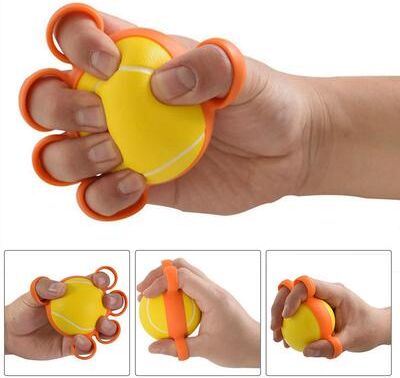
Inspire Daily Merch Finger Exercise Grip Strength Trainer For Arthritis Hand Therapy Ball Stress Relief Muscle Recovery Rehabilitation Finger Exercise Grip Strength Trainer For Arthritis Hand Therapy Ball Stress Relief Muscle Recovery RehabilitationEnhance Finger Strength and Mobility with the Hand Therapy Ball The Hand Therapy Ball is an essential tool designed to improve finger strength, hand flexibility, and rehabilitation. Whether you're recovering from an injury, managing arthritis, or...31,97 $*Shipping: 0,00 $Secure redirect to the provider
-
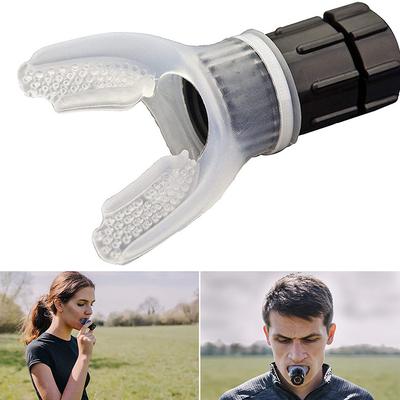
Healfit Counter Respirator Fitness Equipment, Breathing Trainer Mouthpiece, Lung Exercise Tool For Household Health Care Respirator Fitness Equipment, Breathing Trainer Mouthpiece, Lung Exercise Tool For Household Health CareEnhance your fitness and stamina with the Breathing Trainer Exercise Lung Face Mouthpiece Respirator Fitness Equipmentyour compact solution for improving lung performance and endurance. Designed for athletes, fitness enthusiasts, and anyone looking...27,97 $*Shipping: 0,00 $Secure redirect to the provider
-
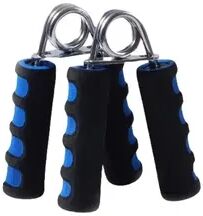
Smart Shopping Spot Grip Strength Trainer Hand Grip Strengthener For Fitness, Forearm Exercise & Rehabilitation blueBuild stronger hands with a grip strength trainer designed to improve power, endurance, and confidence in every workout. Whether you're an athlete, musician, climber, or recovering from injury, this hand grip strengthener helps enhance grip...31,97 $*Shipping: 0,00 $Secure redirect to the provider

-
Which tenses are there in Swiss German that only have two tenses?
In Swiss German, there are two tenses that only have two forms: present and past. The present tense is used to describe actions happening in the present moment, while the past tense is used to talk about actions that have already occurred. These two tenses are commonly used in everyday conversations in Swiss German. **
-
Which tenses are there in Swiss German that have only two tenses?
In Swiss German, there are two tenses that have only two forms: the present tense and the past tense. The present tense is used to describe actions happening in the present moment, while the past tense is used to talk about actions that have already happened. Unlike Standard German, Swiss German does not have a separate future tense, so speakers use the present tense or auxiliary verbs to indicate future actions. **
-
Which tenses exist in Swiss German where there are only two tenses?
In Swiss German, the two tenses that exist are the present tense and the past tense. The present tense is used to describe actions that are currently happening or habitual actions, while the past tense is used to talk about actions that have already occurred. Swiss German does not have a separate future tense, as the present tense can also be used to express future actions. **
-
Which two tenses are possible?
The two tenses that are possible are the present tense and the past tense. The present tense is used to describe actions that are currently happening or are generally true, while the past tense is used to describe actions that have already occurred. These two tenses allow us to convey different time frames and perspectives in our writing and speech. **


How can one recognize tenses?
One can recognize tenses by looking at the verb in a sentence and identifying the time frame in which the action is taking place. For example, if the verb ends in "-ed" it is likely in the past tense, while if it ends in "-ing" it is likely in the present continuous tense. Additionally, the use of helping verbs such as "will" or "has" can indicate future or present perfect tenses, respectively. Understanding the context of the sentence and the time frame being referred to can also help in recognizing tenses. **
Which tenses must one use?
One must use a variety of tenses in order to accurately convey different points in time and actions. The choice of tense depends on the specific context and the relationship between different events. For example, the present tense is used for current actions or general truths, the past tense is used for completed actions or events, and the future tense is used for actions that will happen at a later time. Additionally, the perfect tenses are used to show actions that are completed or ongoing at a specific point in time. Overall, the selection of tenses is crucial for effectively communicating the timing and sequence of events. **
Top-Angebote
Products related to Tenses:
-
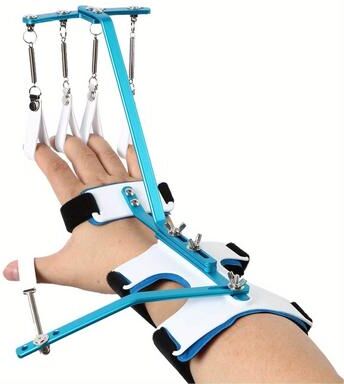
Handpicked Choices Adjustable Finger Strengthener And Hand Grip Trainer Wrist Exercise Support For Rehabilitation Fitness And Therapy Adjustable Finger Strengthener And Hand Grip Trainer Wrist Exercise Support For Rehabilitation Fitness And TherapyRegain control, confidence, and comfort with this powerful finger strength trainer designed to support everyday movement and recovery. Whether you are an athlete, musician, or simply dealing with hand fatigue, this compact hand grip exerciser helps...189,97 $*Shipping: 0,00 $Secure redirect to the provider
-
Lush Living Finds Finger Exercise Hand Therapy Ball, Grip Strength Trainer For Rehabilitation And Stress Relief Finger Exercise Hand Therapy Ball, Grip Strength Trainer For Rehabilitation And Stress ReliefStrengthen and Recover with Hand Therapy Ball Our Hand Therapy Ball is designed 1 pcs to help you regain strength and mobility in your hands and fingers. Perfect for finger exercise, it targets key muscles for rehabilitation and stress relief....34,97 $*Shipping: 0,00 $Secure redirect to the provider
-
Youfap Market Portable Respiratory Trainer For Physical Therapy Rehabilitation Exercises, Sports Exercise Equipment whiteSupport Stronger Breathing and Everyday Wellness Designed for women who want to stay active and confident, this portable respiratory trainer helps improve breathing strength through guided physical therapy rehabilitation exercises. It supports daily...49,97 $*Shipping: 0,00 $Secure redirect to the provider
-
Inspire Daily Merch Finger Exercise Grip Strength Trainer For Arthritis Hand Therapy Ball Stress Relief Muscle Recovery Rehabilitation Finger Exercise Grip Strength Trainer For Arthritis Hand Therapy Ball Stress Relief Muscle Recovery RehabilitationEnhance Finger Strength and Mobility with the Hand Therapy Ball The Hand Therapy Ball is an essential tool designed to improve finger strength, hand flexibility, and rehabilitation. Whether you're recovering from an injury, managing arthritis, or...31,97 $*Shipping: 0,00 $Secure redirect to the provider
-
Which tenses exist in Swiss German that only have two tenses?
In Swiss German, there are two tenses that only have two forms: the present tense and the past tense. The present tense is used to talk about actions happening in the present, while the past tense is used to talk about actions that have already happened. Unlike in Standard German, there is no distinction between the simple past and the present perfect tense in Swiss German. **
-
Which tenses are related?
The tenses that are related in English are the simple present, simple past, and simple future tenses. These tenses are the basic forms of verb conjugation and are used to express actions or states that occur in the present, past, or future respectively. They are often used as building blocks for more complex tenses and can be combined with auxiliary verbs to convey different shades of meaning. Understanding the relationship between these tenses is essential for mastering English grammar. **
-
Which tenses are there in Swiss German that only have two tenses?
In Swiss German, there are two tenses that only have two forms: present and past. The present tense is used to describe actions happening in the present moment, while the past tense is used to talk about actions that have already occurred. These two tenses are commonly used in everyday conversations in Swiss German. **
-
Which tenses are there in Swiss German that have only two tenses?
In Swiss German, there are two tenses that have only two forms: the present tense and the past tense. The present tense is used to describe actions happening in the present moment, while the past tense is used to talk about actions that have already happened. Unlike Standard German, Swiss German does not have a separate future tense, so speakers use the present tense or auxiliary verbs to indicate future actions. **
Similar search terms for Tenses
-
Healfit Counter Respirator Fitness Equipment, Breathing Trainer Mouthpiece, Lung Exercise Tool For Household Health Care Respirator Fitness Equipment, Breathing Trainer Mouthpiece, Lung Exercise Tool For Household Health CareEnhance your fitness and stamina with the Breathing Trainer Exercise Lung Face Mouthpiece Respirator Fitness Equipmentyour compact solution for improving lung performance and endurance. Designed for athletes, fitness enthusiasts, and anyone looking...27,97 $*Shipping: 0,00 $Secure redirect to the provider
-
Smart Shopping Spot Grip Strength Trainer Hand Grip Strengthener For Fitness, Forearm Exercise & Rehabilitation blueBuild stronger hands with a grip strength trainer designed to improve power, endurance, and confidence in every workout. Whether you're an athlete, musician, climber, or recovering from injury, this hand grip strengthener helps enhance grip...31,97 $*Shipping: 0,00 $Secure redirect to the provider
-
Inspire Select 2025 Health Smart Watch AMOLED Bluetooth Call Fitness Tracker With ECG & Wellness Monitoring pinkStay connected while monitoring your daily wellness with this advanced health smart watch designed for fitness, lifestyle tracking, and smart convenience. Featuring a stunning AMOLED smartwatch display, Bluetooth calling, ECG monitoring, and...299,96 $*Shipping: 0,00 $Secure redirect to the provider
-
Youfap Market Portable Respiratory Trainer For Physical Therapy Rehabilitation Exercises, Sports Exercise Equipment blackSupport Stronger Breathing and Everyday Wellness Designed for women who want to stay active and confident, this portable respiratory trainer helps improve breathing strength through guided physical therapy rehabilitation exercises. It supports daily...49,97 $*Shipping: 0,00 $Secure redirect to the provider
-
Which tenses exist in Swiss German where there are only two tenses?
In Swiss German, the two tenses that exist are the present tense and the past tense. The present tense is used to describe actions that are currently happening or habitual actions, while the past tense is used to talk about actions that have already occurred. Swiss German does not have a separate future tense, as the present tense can also be used to express future actions. **
-
Which two tenses are possible?
The two tenses that are possible are the present tense and the past tense. The present tense is used to describe actions that are currently happening or are generally true, while the past tense is used to describe actions that have already occurred. These two tenses allow us to convey different time frames and perspectives in our writing and speech. **
-
How can one recognize tenses?
One can recognize tenses by looking at the verb in a sentence and identifying the time frame in which the action is taking place. For example, if the verb ends in "-ed" it is likely in the past tense, while if it ends in "-ing" it is likely in the present continuous tense. Additionally, the use of helping verbs such as "will" or "has" can indicate future or present perfect tenses, respectively. Understanding the context of the sentence and the time frame being referred to can also help in recognizing tenses. **
-
Which tenses must one use?
One must use a variety of tenses in order to accurately convey different points in time and actions. The choice of tense depends on the specific context and the relationship between different events. For example, the present tense is used for current actions or general truths, the past tense is used for completed actions or events, and the future tense is used for actions that will happen at a later time. Additionally, the perfect tenses are used to show actions that are completed or ongoing at a specific point in time. Overall, the selection of tenses is crucial for effectively communicating the timing and sequence of events. **
* All prices are inclusive of VAT and, if applicable, plus shipping costs. The offer information is based on the details provided by the respective shop and is updated through automated processes. Real-time updates do not occur, so deviations can occur in individual cases. ** Note: Parts of this content were created by AI.